Yumi Zouma's No Love Lost to Kindness Is a Gorgeous Reckoning with the Performance of Self
Words by Matt Keenan
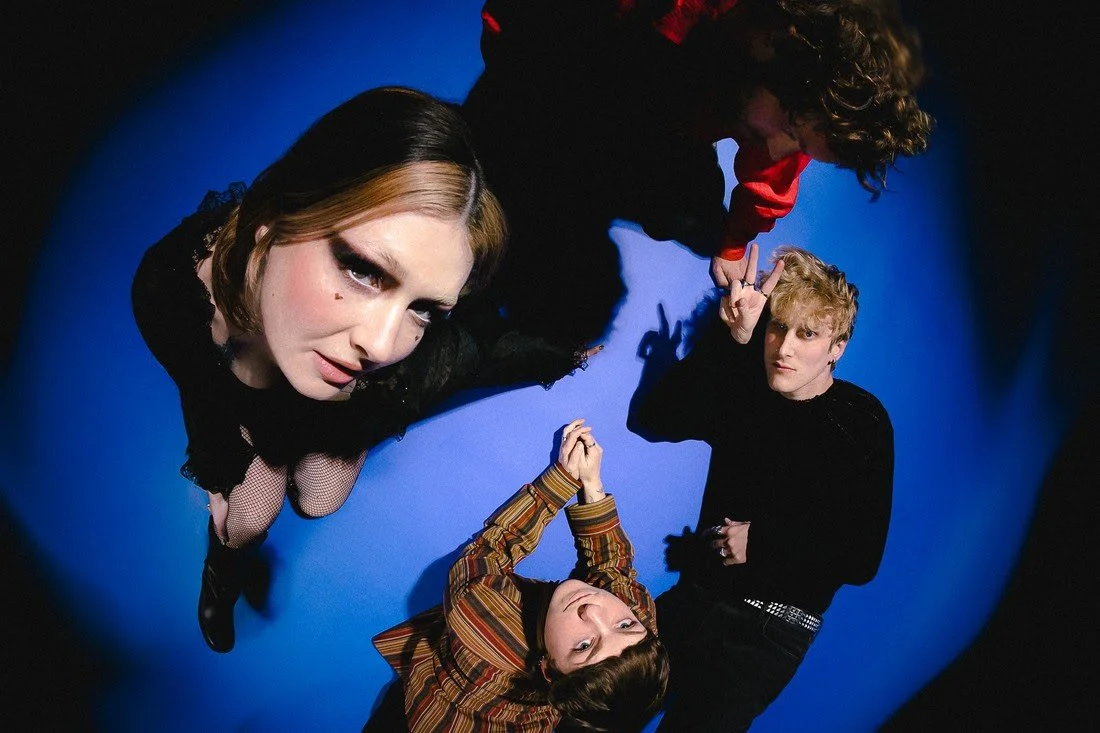
Photo Credit: Mikayla Hubert
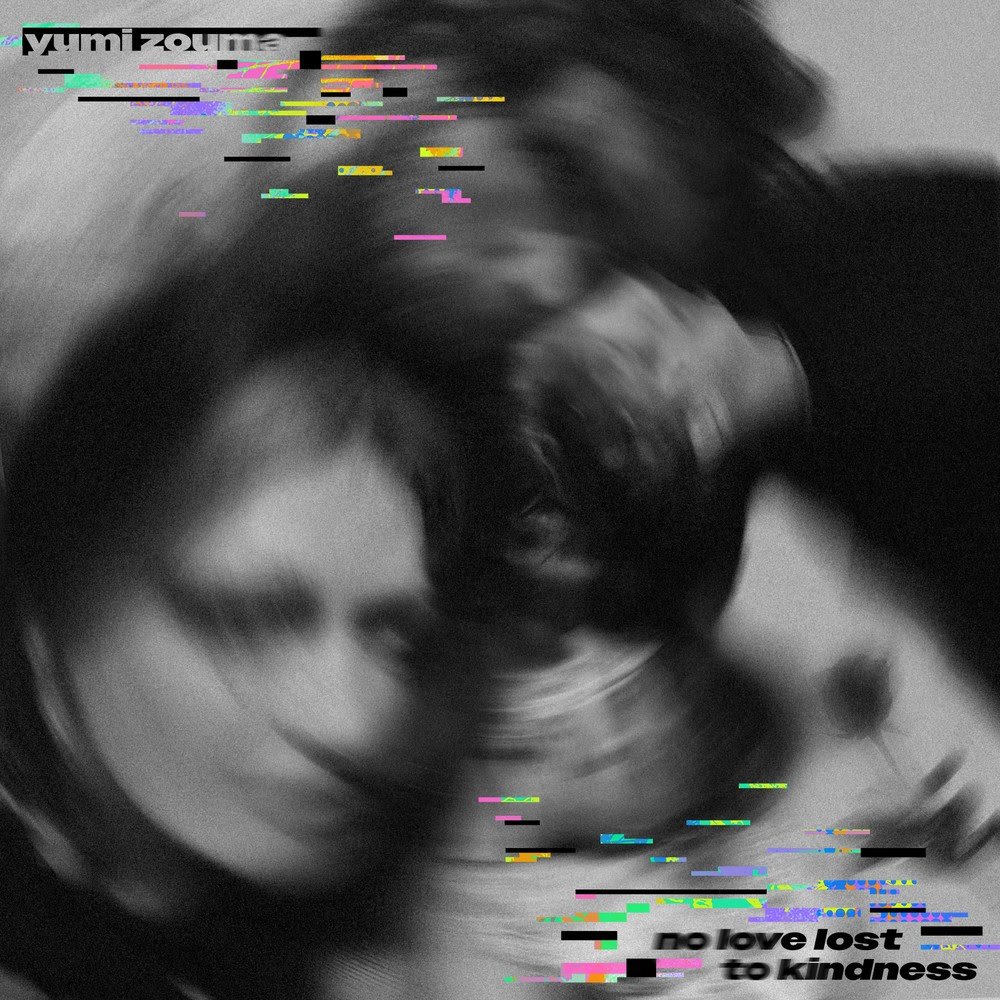
There's a moment early on Yumi Zouma’s sixth album, "No Love Lost to Kindness” where Christie Simpson sings, "I was never a good kid / I had to sit on my hands / Stay still tied down." Then, barely a verse later, the narrative flips: "And then I was a good girl / I kept to myself / Daydream, big smile / You'll go far / Oh you'll do so well."
This sudden whiplash is intentional. This is "Drag," the album's third track, and it's not subtle about what it's doing—showing you the before and after of becoming palatable, the physical effort it takes to hold yourself together when someone else's version of you doesn't quite fit.
That tension—between who you are and who you're supposed to be—runs through the entire album like a fault line. Yumi Zouma has always been good at making heartbreak sound gorgeous, wrapping it in dreamy, layered synths and shimmering guitar lines. But on their sixth album, the New Zealand quartet digs their teeth into something messier and more claustrophobic: what it feels like when you can't find yourself under all the expectations, performances, and compromises you've made just to get through the day.
If "Drag" is the album's mission statement about suppression, then "Cross My Heart and Hope to Die" is its political cousin—broadening the lens from personal conformity to societal rot. "I saw the PM in the lobby today / And I asked him if he had somethin' he wanted to say," Simpson sings with venomous clarity. Later: "And I sold my soul for the soles on my shoes / And a coal's cold core not getting to you." It's one of the album's most explicitly angry tracks, connecting personal compromise to systemic failures. You can't help but read it as commentary on the exhaustion of trying to maintain your values when everything around you seems designed to strip them away.
The ingenious of this record is how it carefully yet confidently maps this identity crisis onto relationships. "Bashville on the Sugar" might be about seeing an ex on the subway, but it's also about recognizing that you've become unrecognizable to yourself. "Lacking condemnation so the feeling frustrates / Acutely out of phase, yeah I guess we're middling out these days," goes the opening. By the bridge, Simpson is reduced to a confession: "I think it sucks / That I'm all dressed up / But I'm still a bag of bones." The costume doesn't fit anymore—or maybe it never did.
The specificity behind the track is gut wrenching, Simpson doesn't just say she feels hollow; she gives you the image of being dressed up with nothing underneath. It's performance as violence, the slow erosion of selfhood through constant role-playing. And it's not just romantic relationships doing the eroding—"Drag" makes clear that medication, meditation, gym routines, and all the mechanisms of self-optimization are part of the same machinery. "Take your medication / Stick to the plan," she sings, expressing themes of exhaustion from her own compliance.
I couldn’t help but notice the record's structure mirrors this fractured sense of self. Some songs offer glimpses of authentic connection—"Phoebe's Song" is a genuine love letter, simple and unguarded: "With you I'm so calm / Drunk on your charms / You're the queen of my heart." It's one of the few moments where the narrator seems to actually be rather than perform. But then "Did You See Her?" turns the camera back on the narrator as the subject of gossip, a third-person character in her own story. "She's ruining lives again / She's leaving 'em out in the rain," the backing vocals taunt. It's alienation made sonic—hearing yourself described by other people, losing control of your own narrative.
This sentiment gets at something crucial about how the album understands identity: it's not just about internal struggle, but it’s about the external versions of you that circulate without your permission. In "Chicago 2am," a song about emotional infidelity and realignment, Simpson reflects: "I could see myself different through your eyes / On a cold Chicago night / It was 2 a.m. I was redefined." The implication is both hopeful and terrifying—you need someone else to see you clearly, but that also means you're constantly at the mercy of other people's perceptions.
"Judgement Day" pushes this idea even further. "You were everything," Simpson repeats like a mantra, describing a lover who seemed to offer complete recognition. But the song's chorus reveals the anxiety underneath: "I don't know how I can convince you to believe in us." Even when you've found someone who sees you, you're still performing, still trying to prove the authenticity of the connection. There's seemingly no escape from the performance.
Musically, Yumi Zouma remains committed to their signature, grippingly dream-like sound—clean production, layered synths, Simpson's voice floating above it all like someone trying to stay above water. But there's a new edge here, a brittleness that wasn't present on earlier albums. "Blister" lives up to its name, all sharp corners and stinging observations: "This month I am venom and rage." When the chorus hits—"Gimme a blister / Damn it I miss ya"—the rhyme feels almost violent in its simplicity, like a wound reopening.
"95", perhaps the album's most devastating track, tackles a different kind of performance: artistic success as identity crisis. "I've been waiting since I was a kid / For all the stages and the cities and crowds like this," Simpson sings. Then the gut-punch realization: "The lights come up and all the people cheer my name / I just feel empty and I just wanna go home." It's the final revelation of the album's central argument—that achieving what you're supposed to want doesn't necessarily connect you to who you are. In fact, it might do the opposite. All those years of preparation, of molding yourself into someone who could succeed, and now success feels like the ultimate performance, the ultimate displacement from self.
Driving down the highway with a bible, drinking while driving, calling someone while crying. It's all wrong, all against the rules, and maybe that's the point. When following the rules has left you empty, transgression starts to look like the only path back to something real.
The tracklist ends with "Waiting for the Cards to Fall," which is notably spare compared to everything that's come before. "Something wasn't right with us / I'm leaving you no matter what," Simpson sings over minimal instrumentation. There's a resigned clarity here, an acceptance that sometimes you can't fix what's broken—not the relationship, not yourself. "There's nothing I can do or say," she concludes, and it sounds less like defeat than exhaustion with the whole project of trying.
No Love Lost to Kindness doesn't offer easy resolutions. Simpson never magically discovers her authentic self, never has a breakthrough moment where everything clicks into place. Instead, the album documents the ongoing struggle of living in the gap between who you are and who everyone expects you to be—including yourself. It's about the exhaustion of constant self-surveillance, of trying to optimize yourself into someone acceptable, of realizing that all those mechanisms of improvement might actually be mechanisms of erasure.
What drew me deeply into this album is its specificity; it's about the texture of this experience. It's not just "I don't know who I am anymore"—it's "I had to force myself" and "I'm still a bag of bones" and "I just feel empty and I just wanna go home." These are the specific words of someone who's spent too long performing, who's forgotten the difference between the costume and the body underneath.
It’s that unwavering honesty and vulnerability that makes No Love Lost to KindnessYumi Zouma's most unflinching work—not because it's sonically harsh (it's not), but because it refuses to look away from the small violences we commit against ourselves in the name of getting by. It's an album about trying to be good, trying to be better, trying to be someone, and realizing that all that trying might be the problem. The very title—No Love Lost to Kindness—suggests a zero-sum game between being kind and being real, between maintaining relationships and maintaining yourself.
This is what it sounds like when someone realizes the performance has become a prison, and they can't quite remember what they were performing for anymore. It's gorgeous and devastating in equal measure—which is exactly what you'd expect from a band that's always known how to make pretty sounds out of ugly feelings.