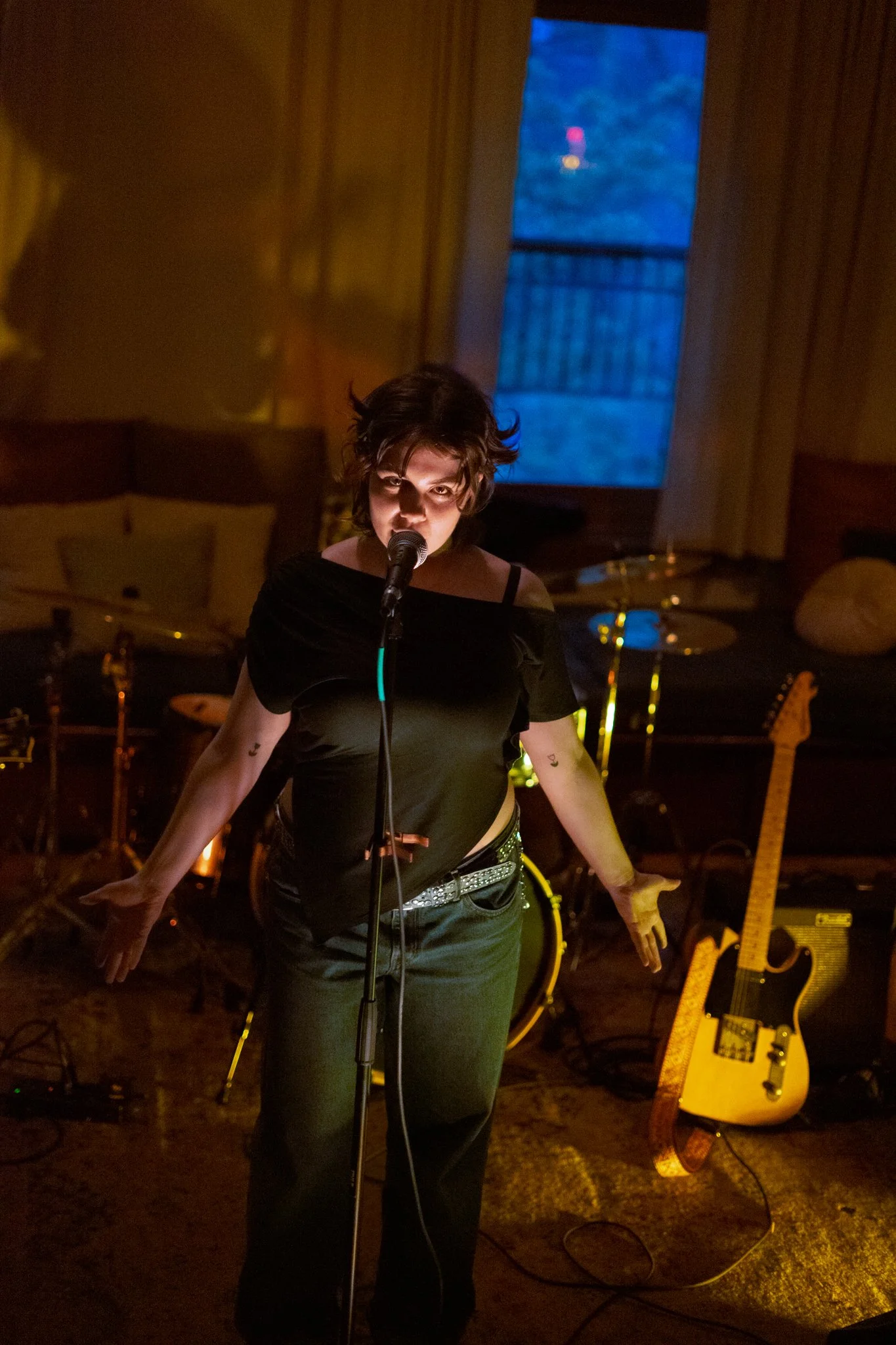
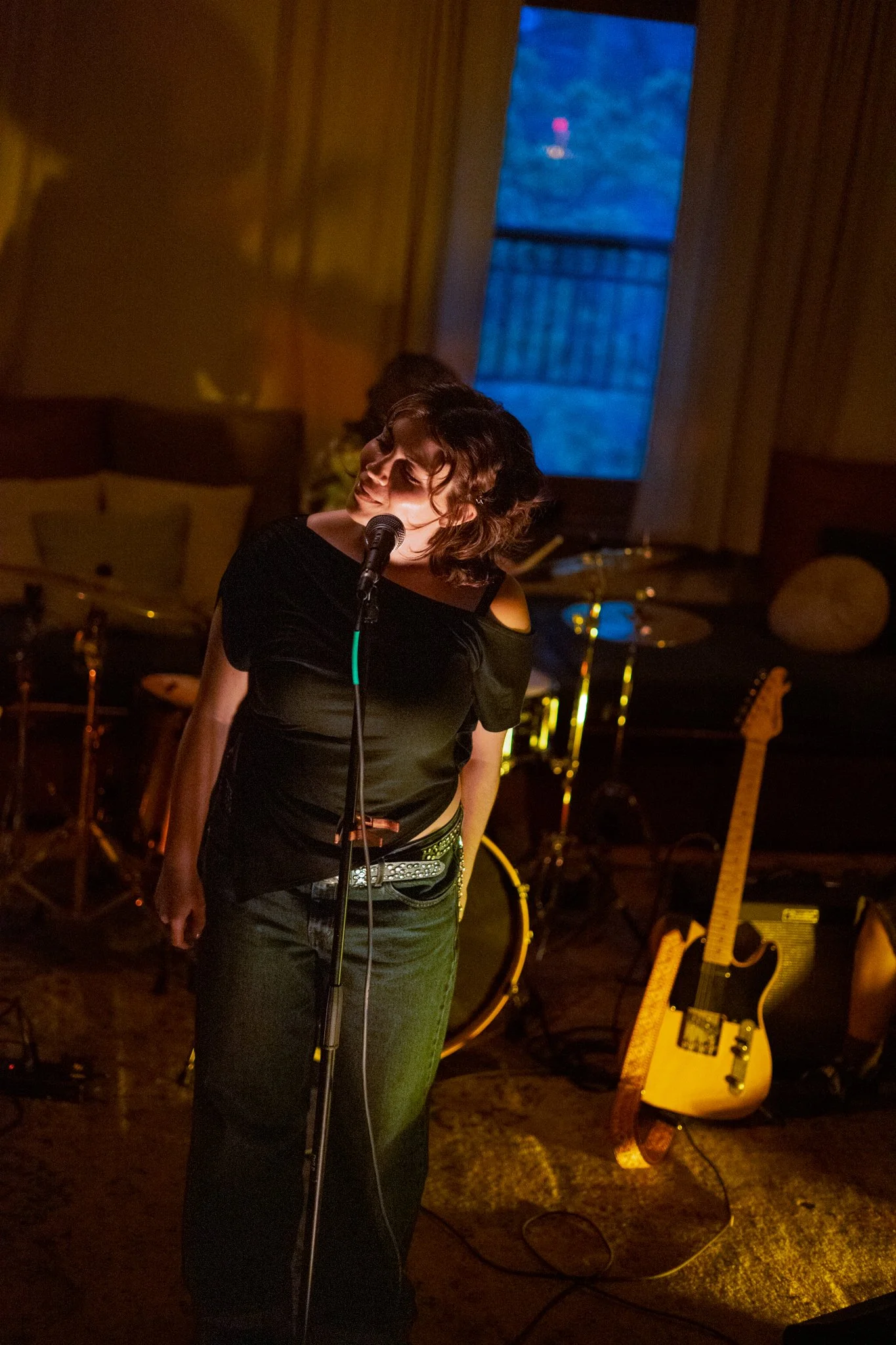
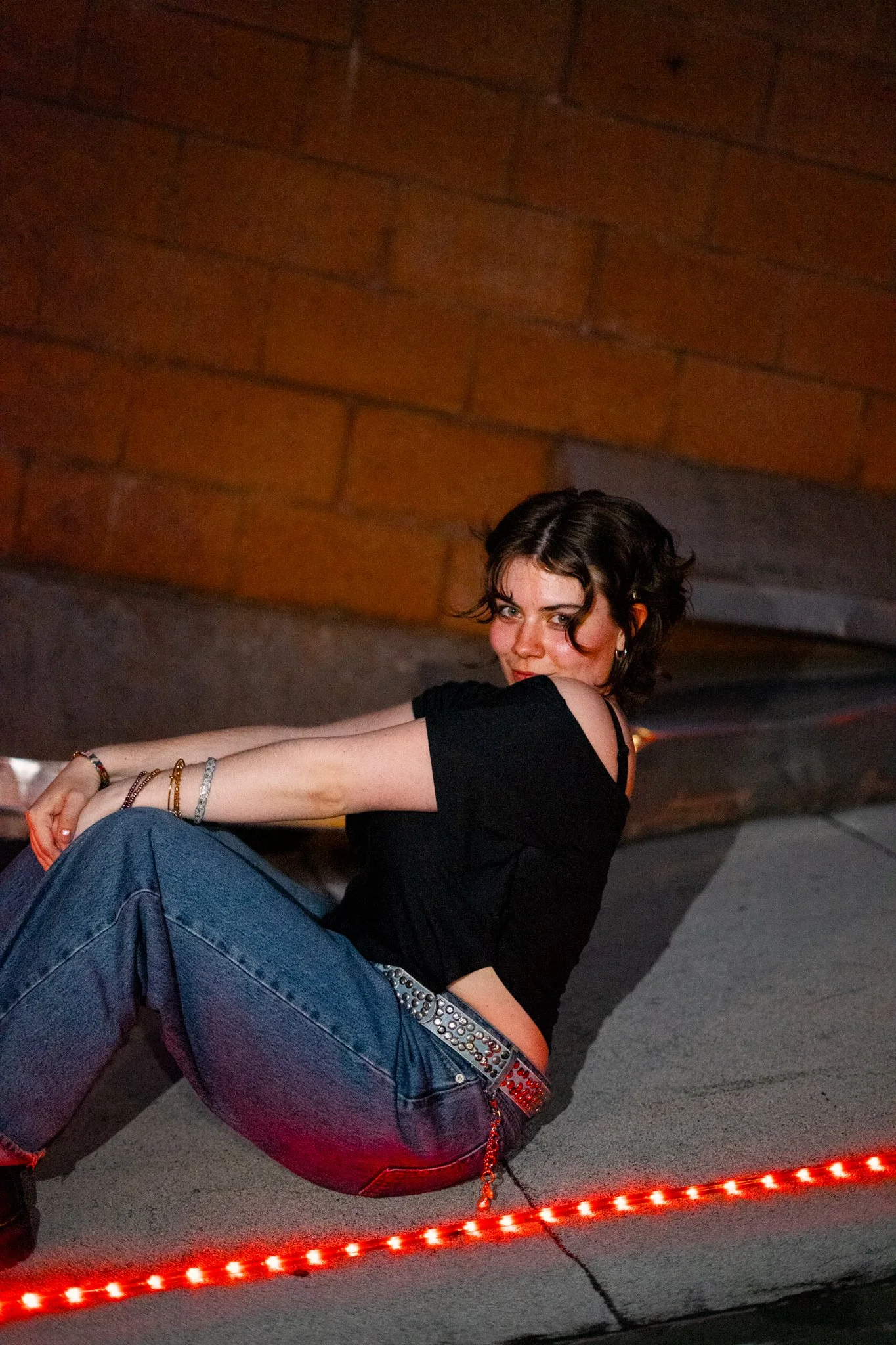
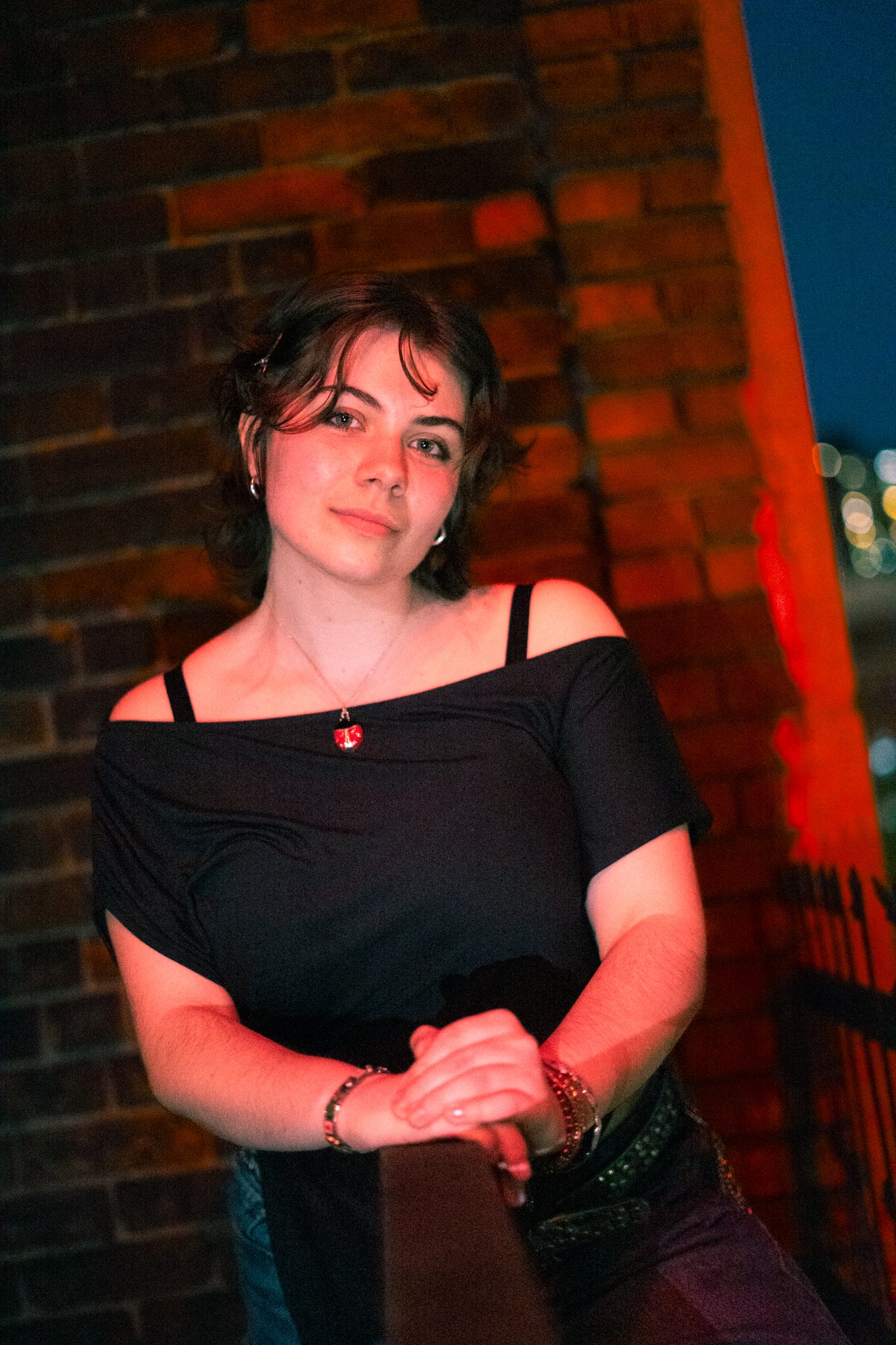
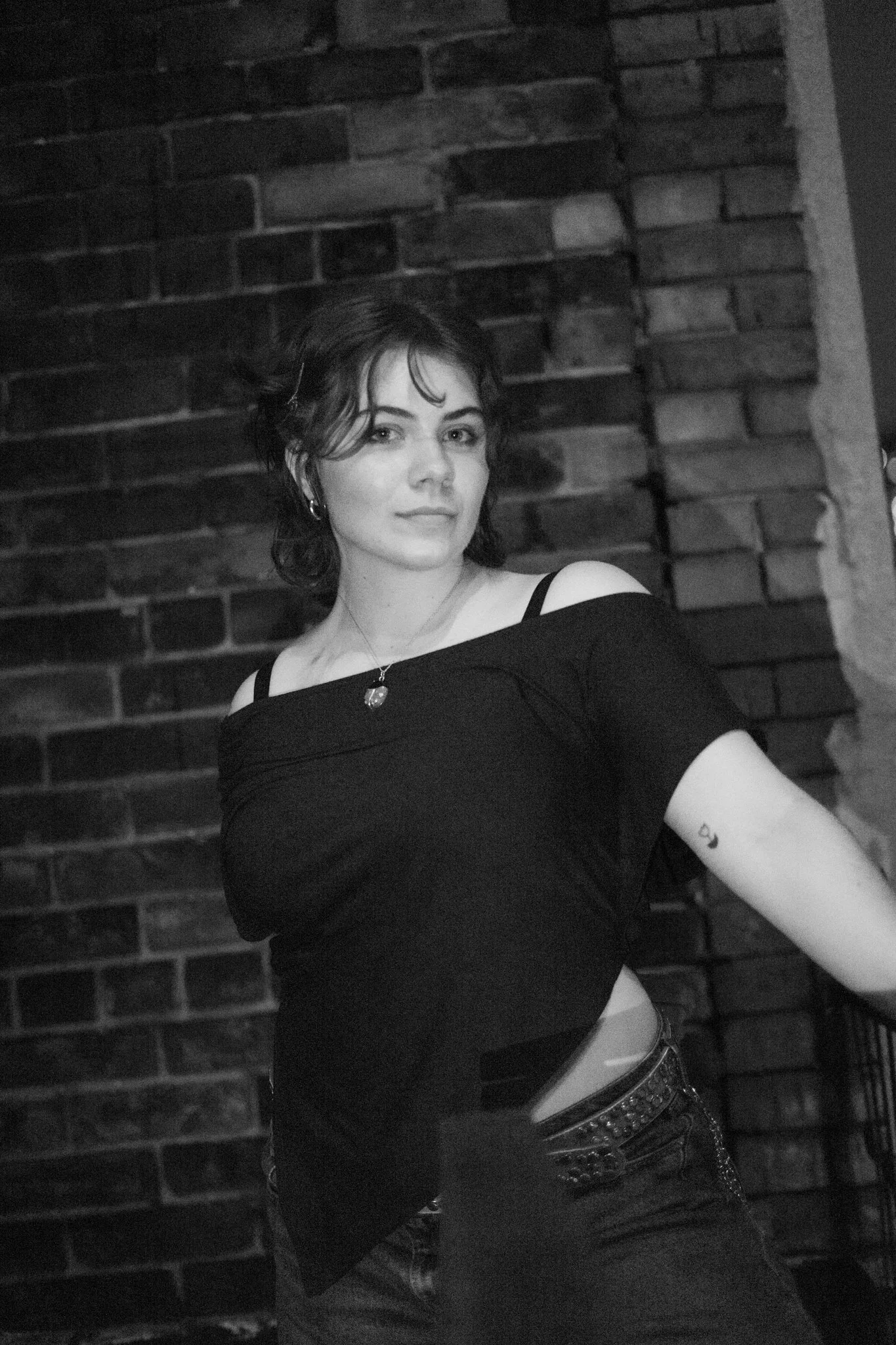
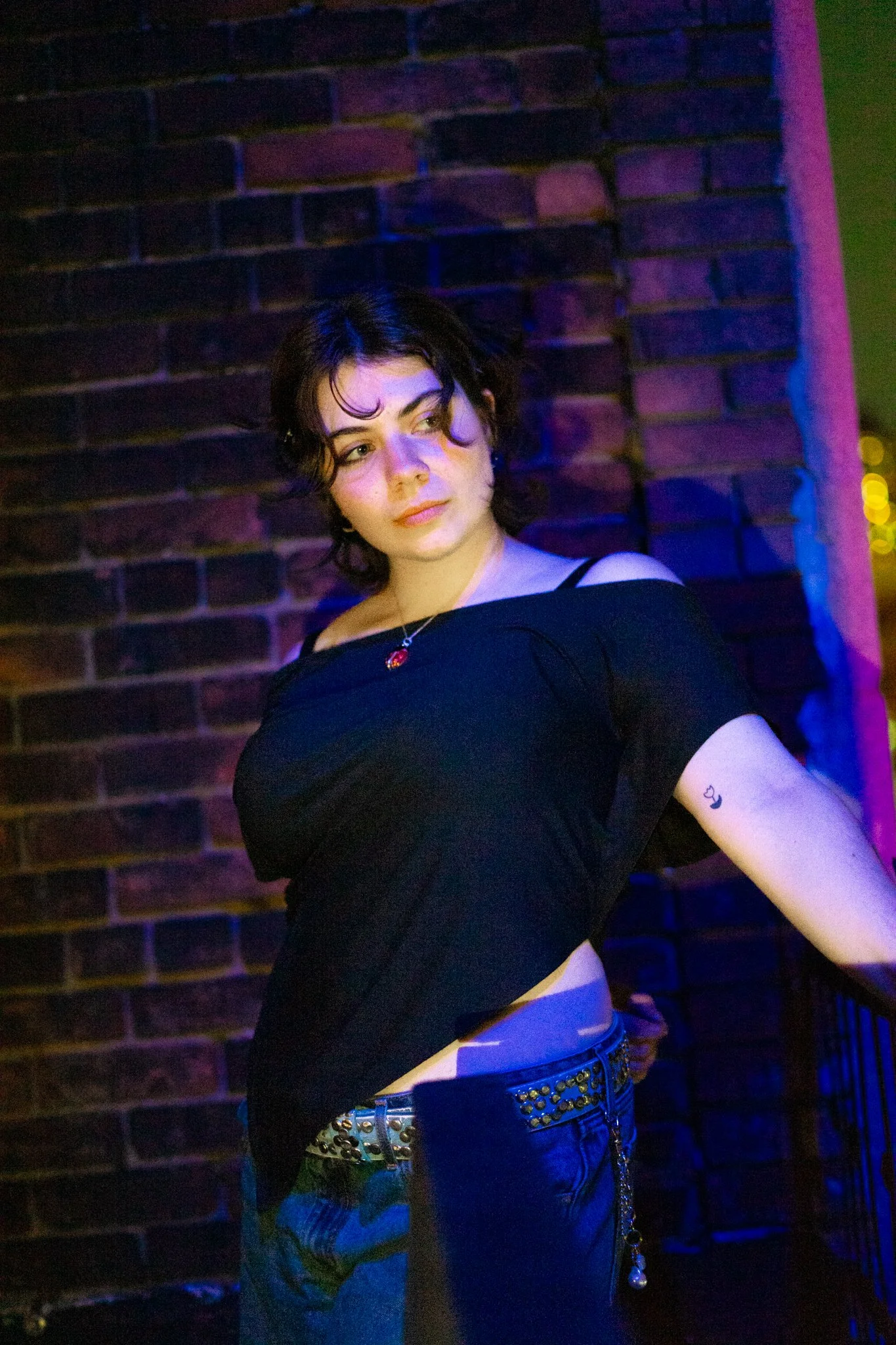
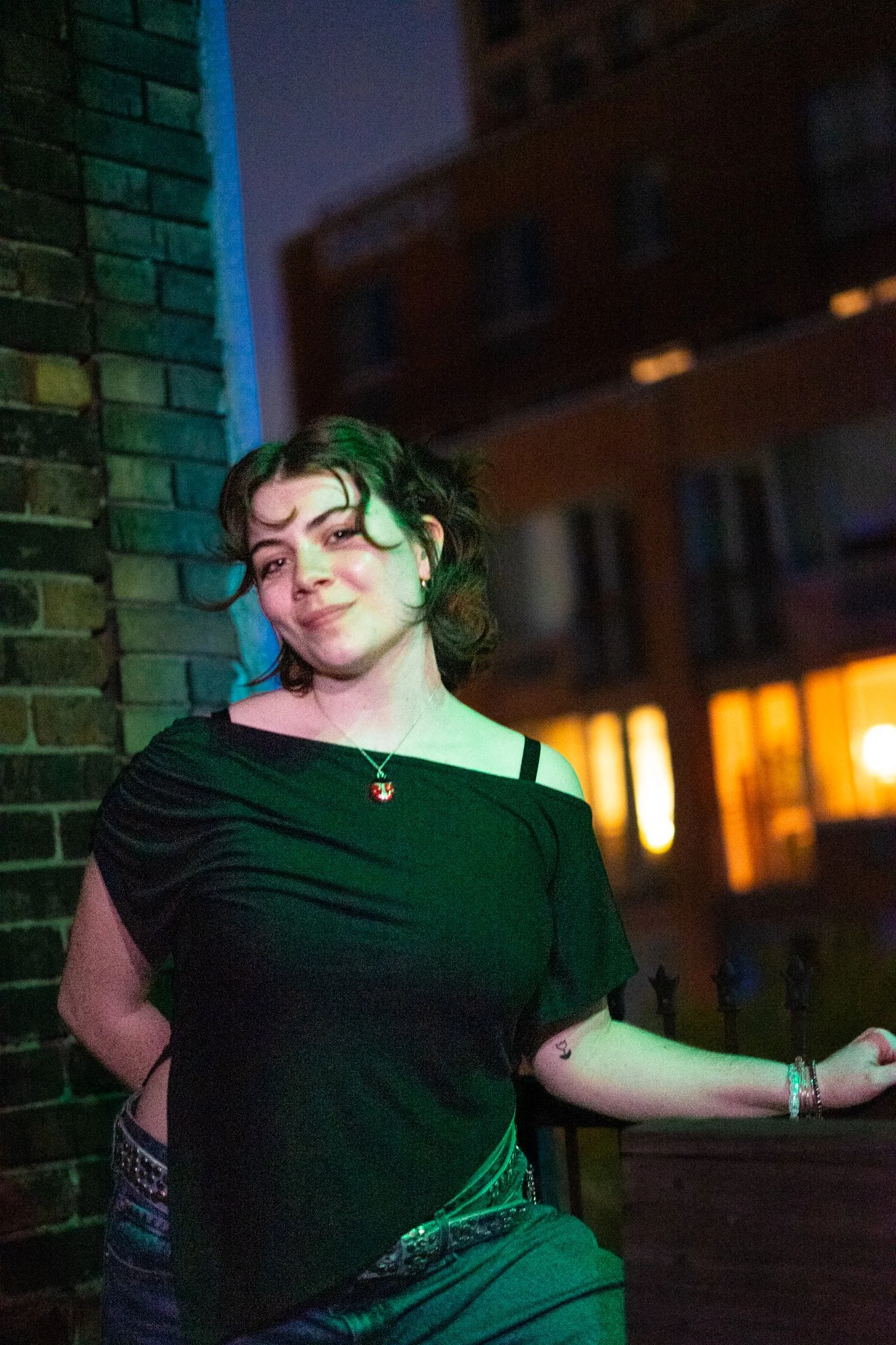
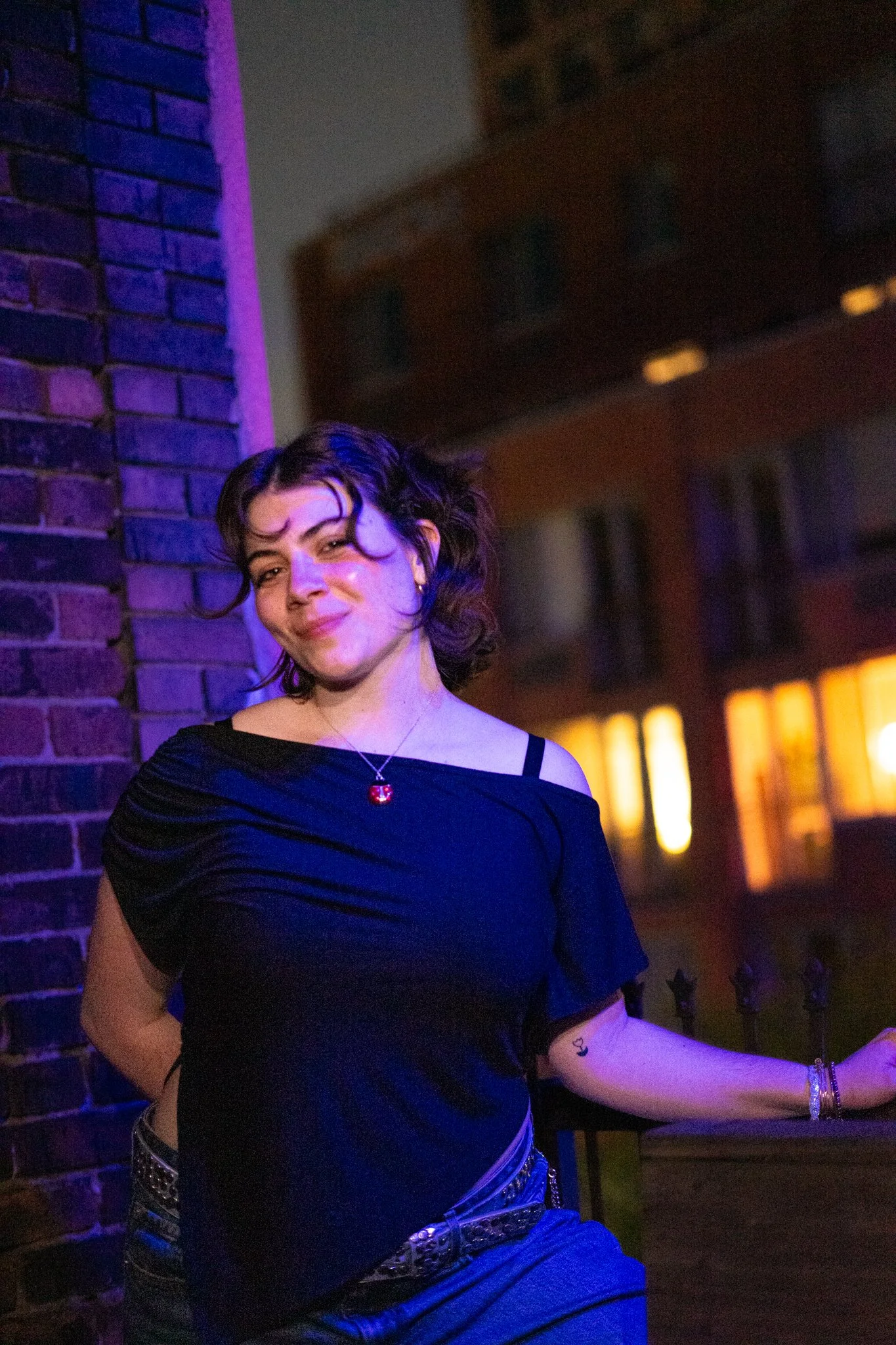
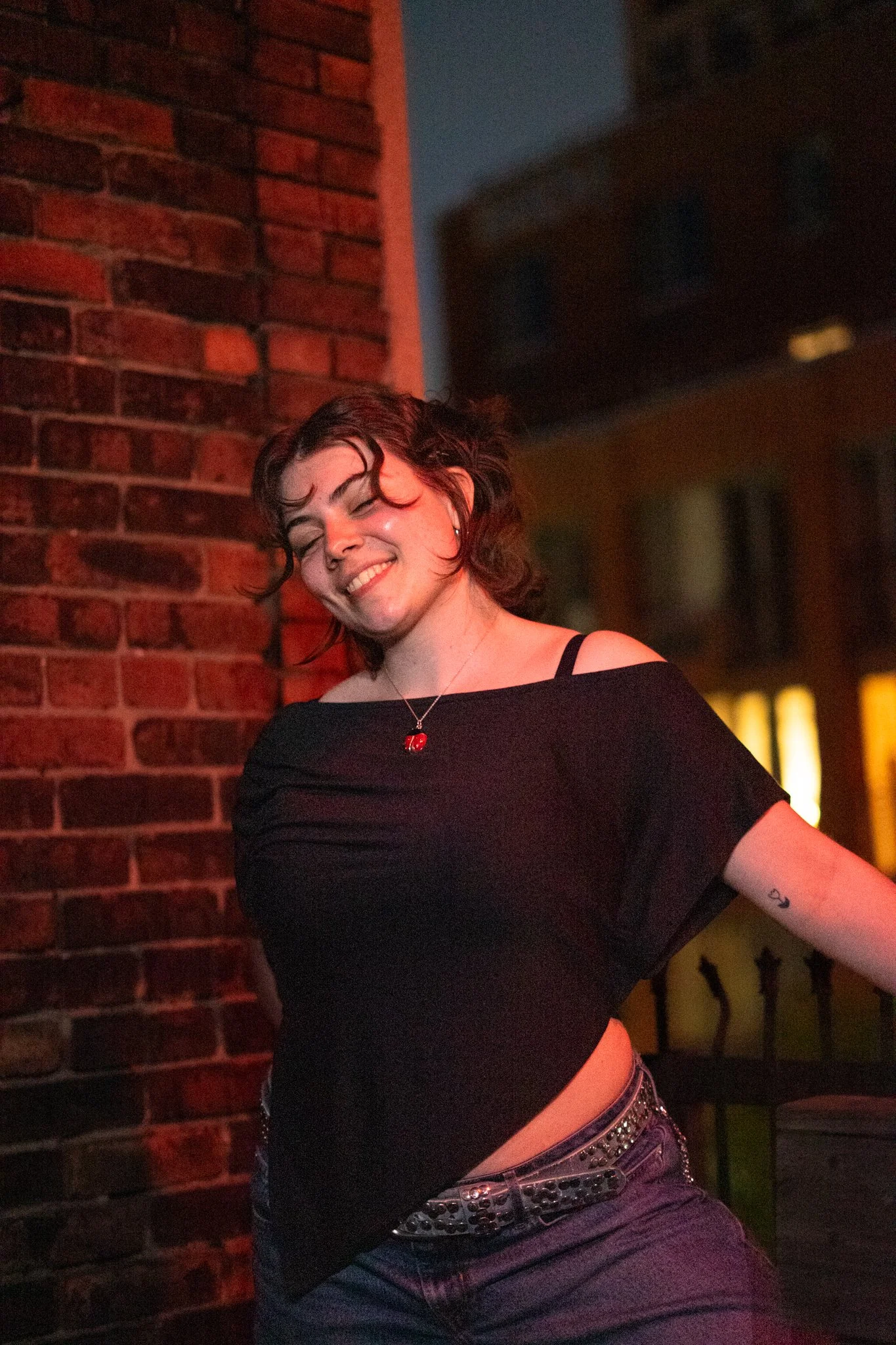
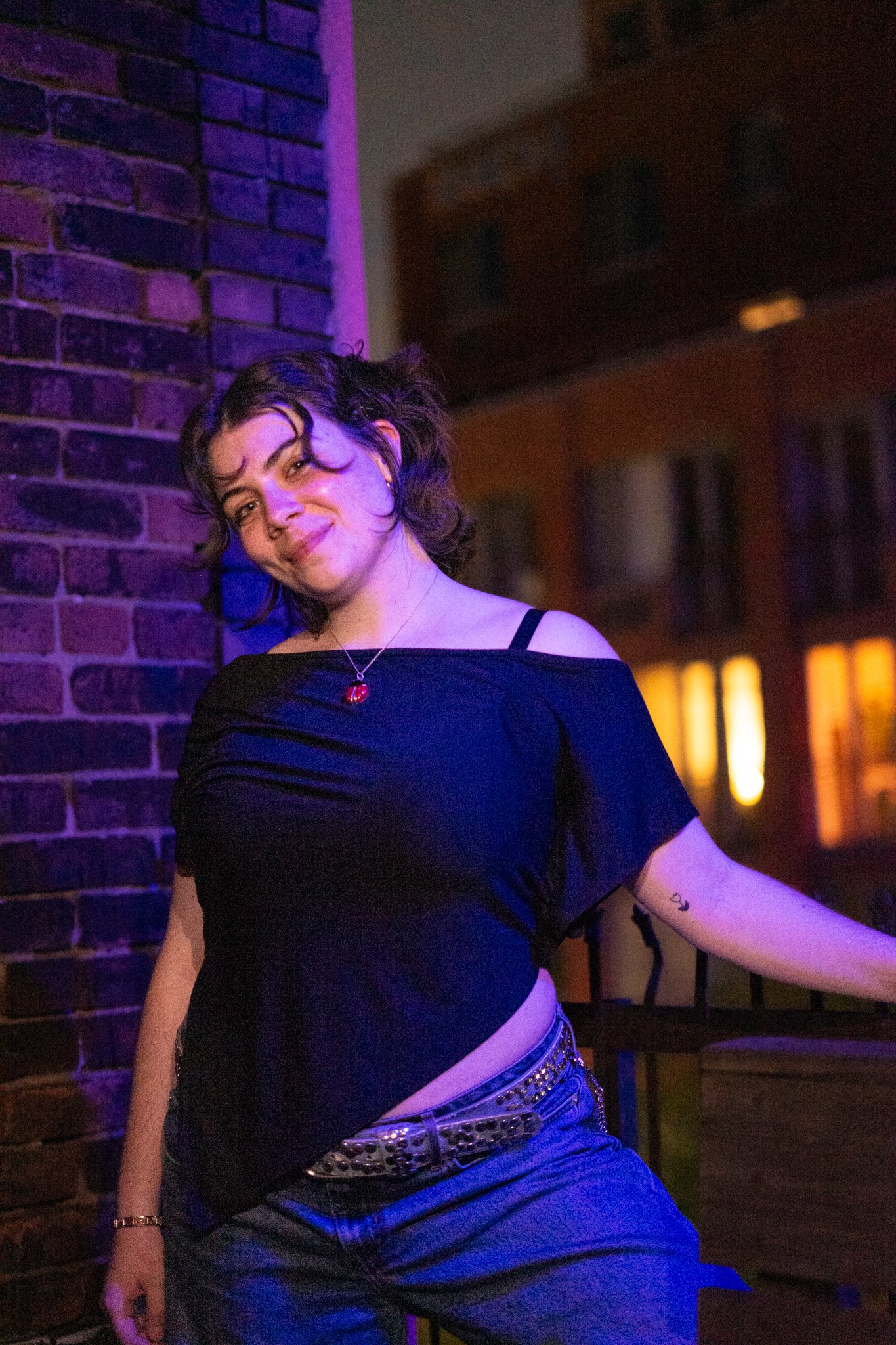
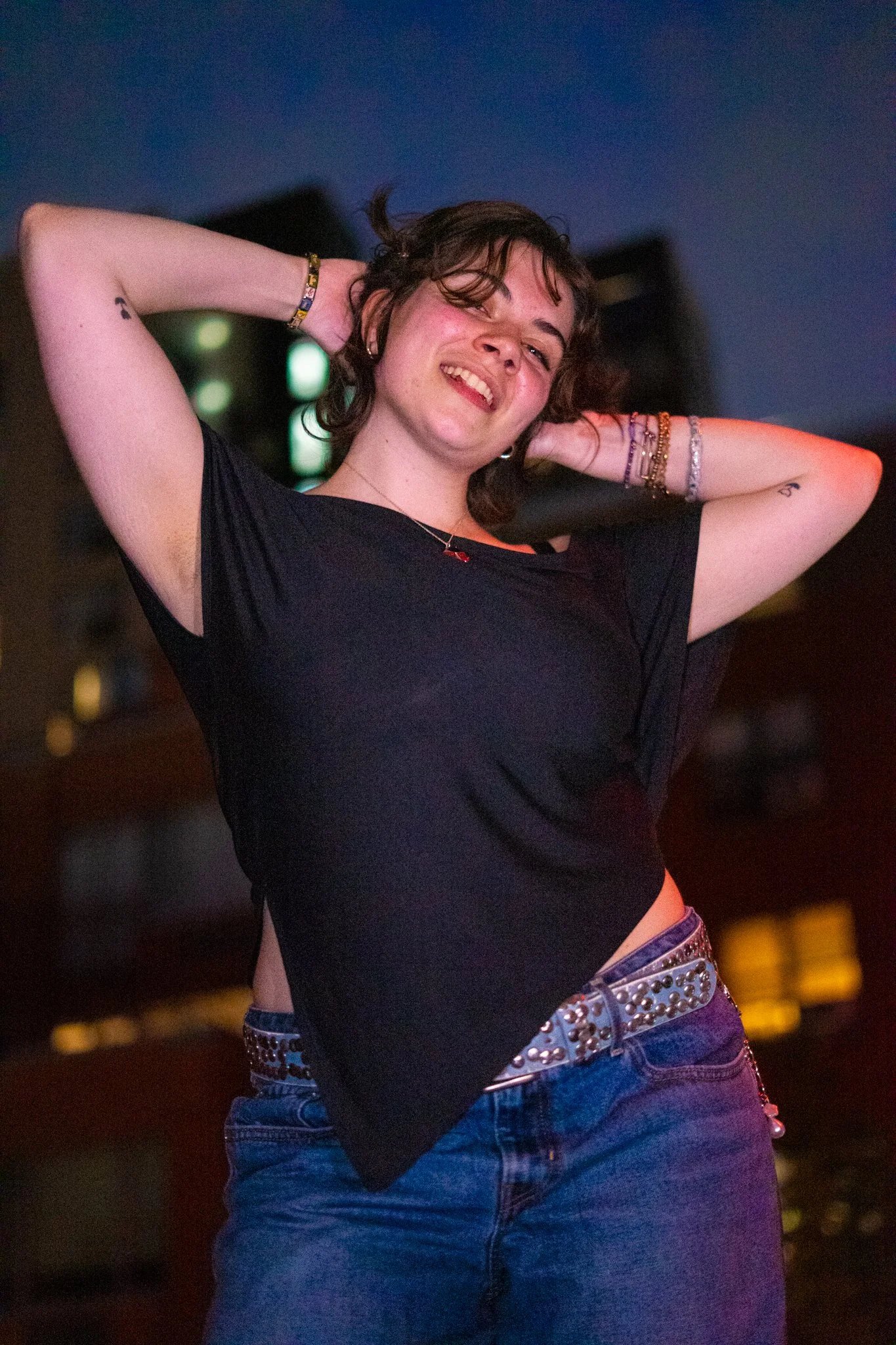
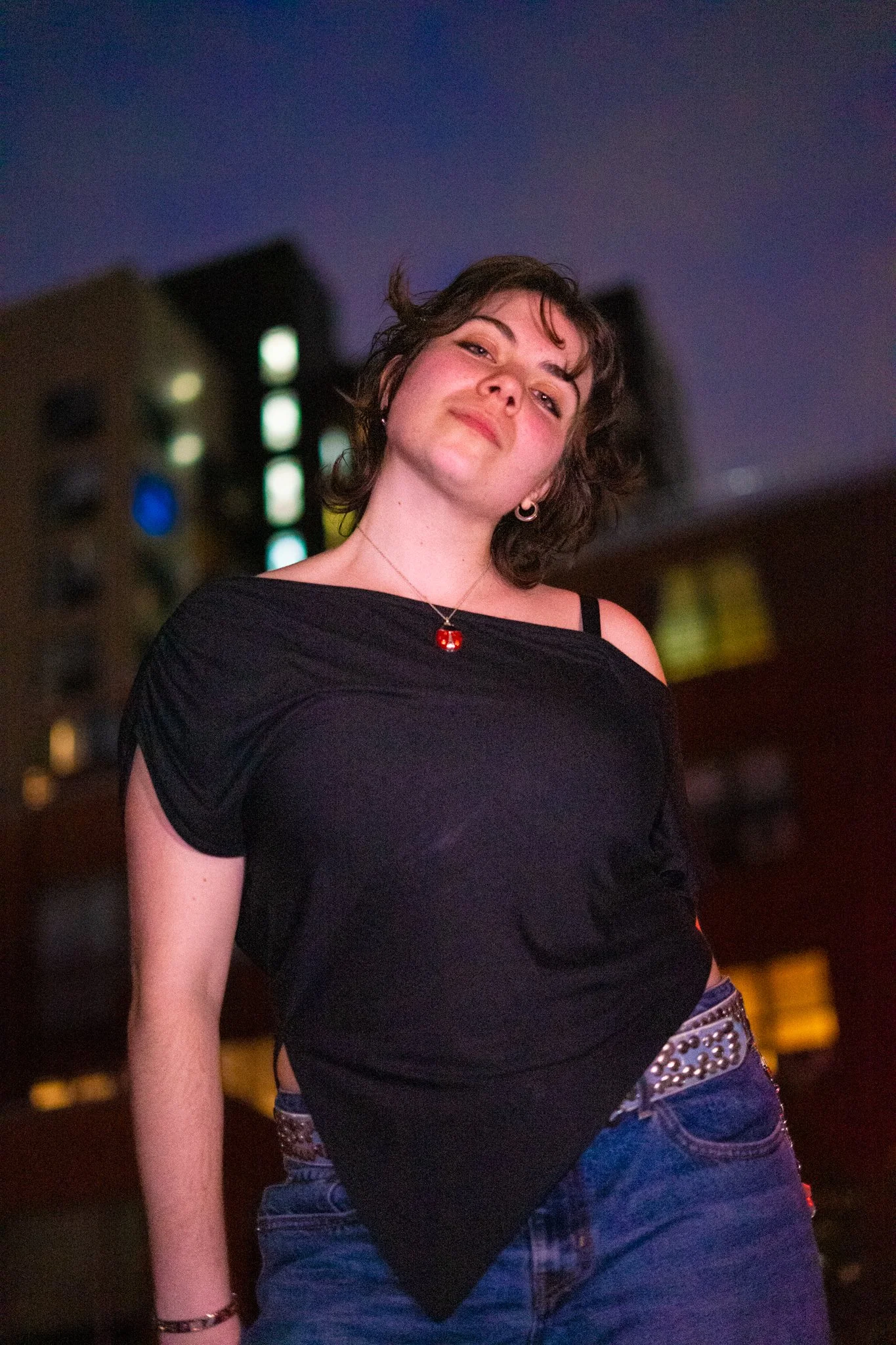
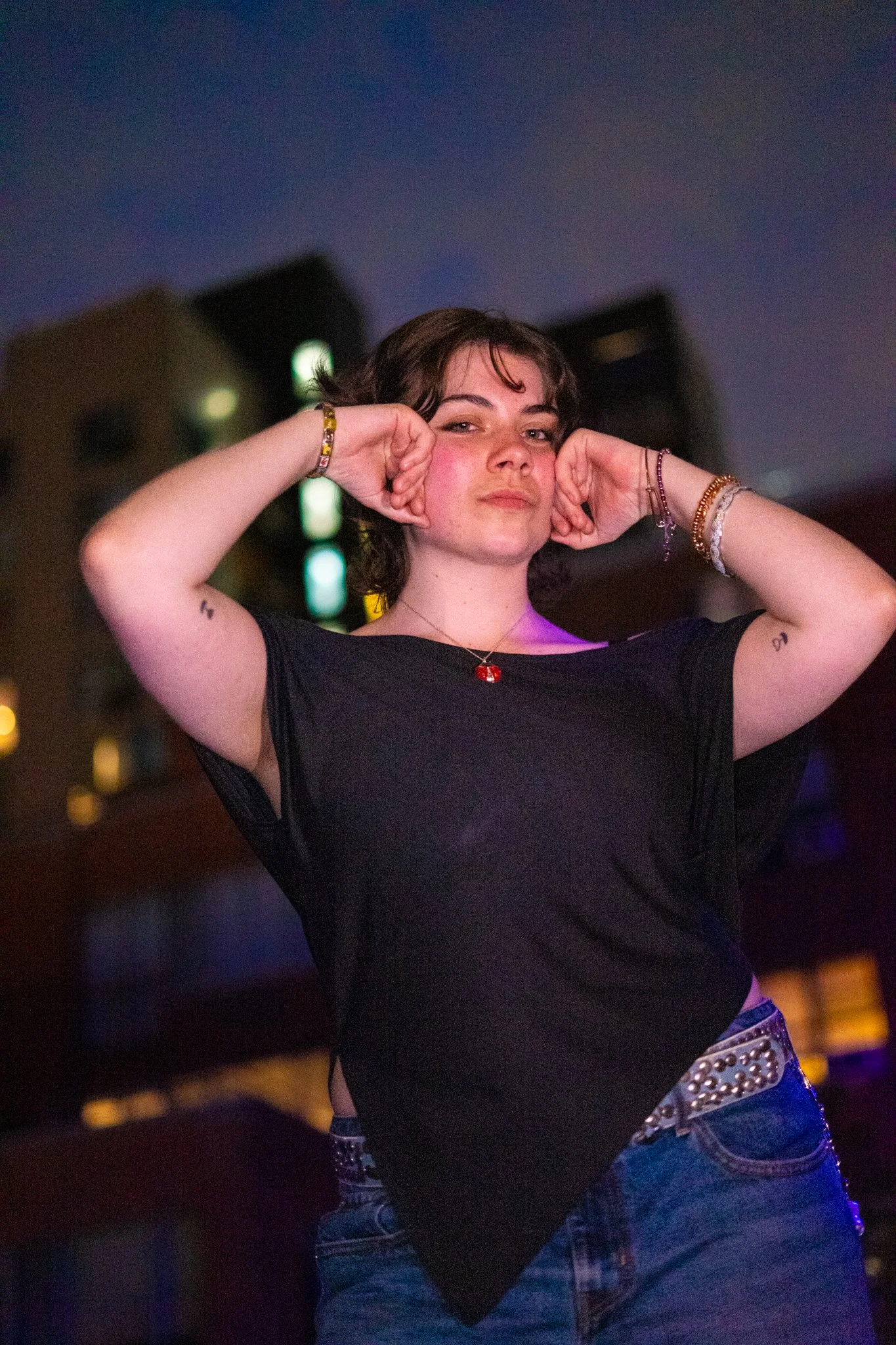
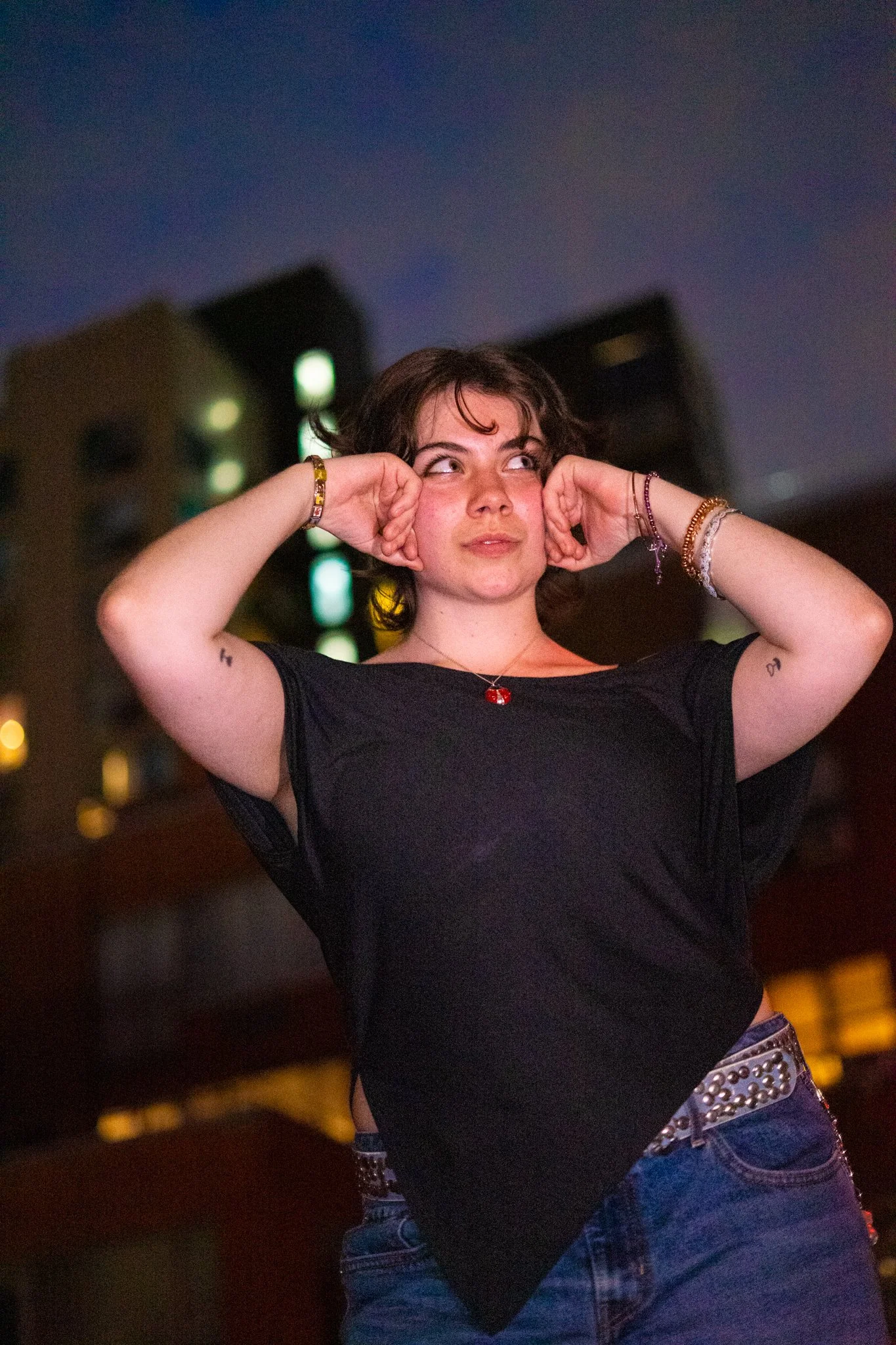
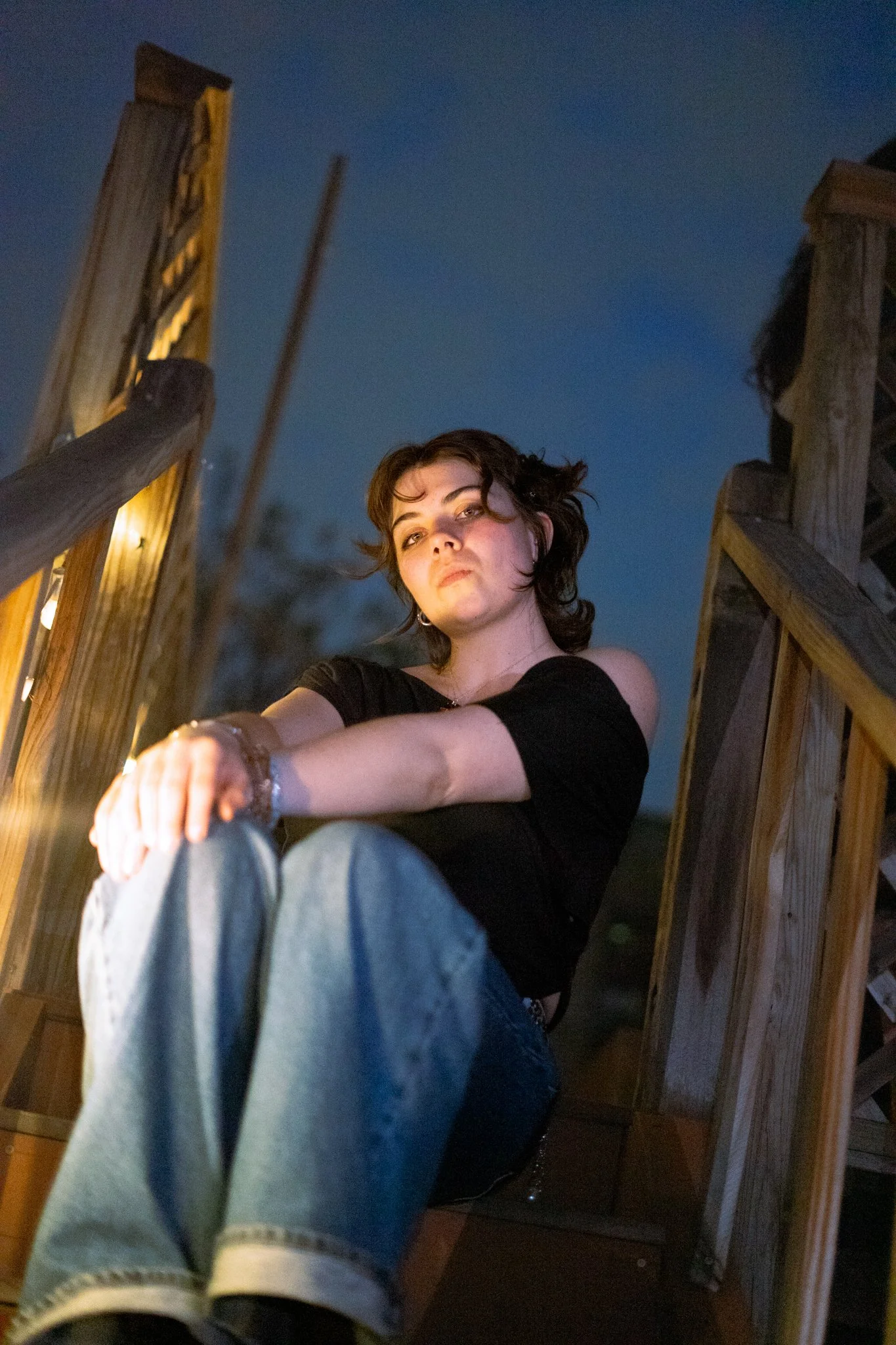
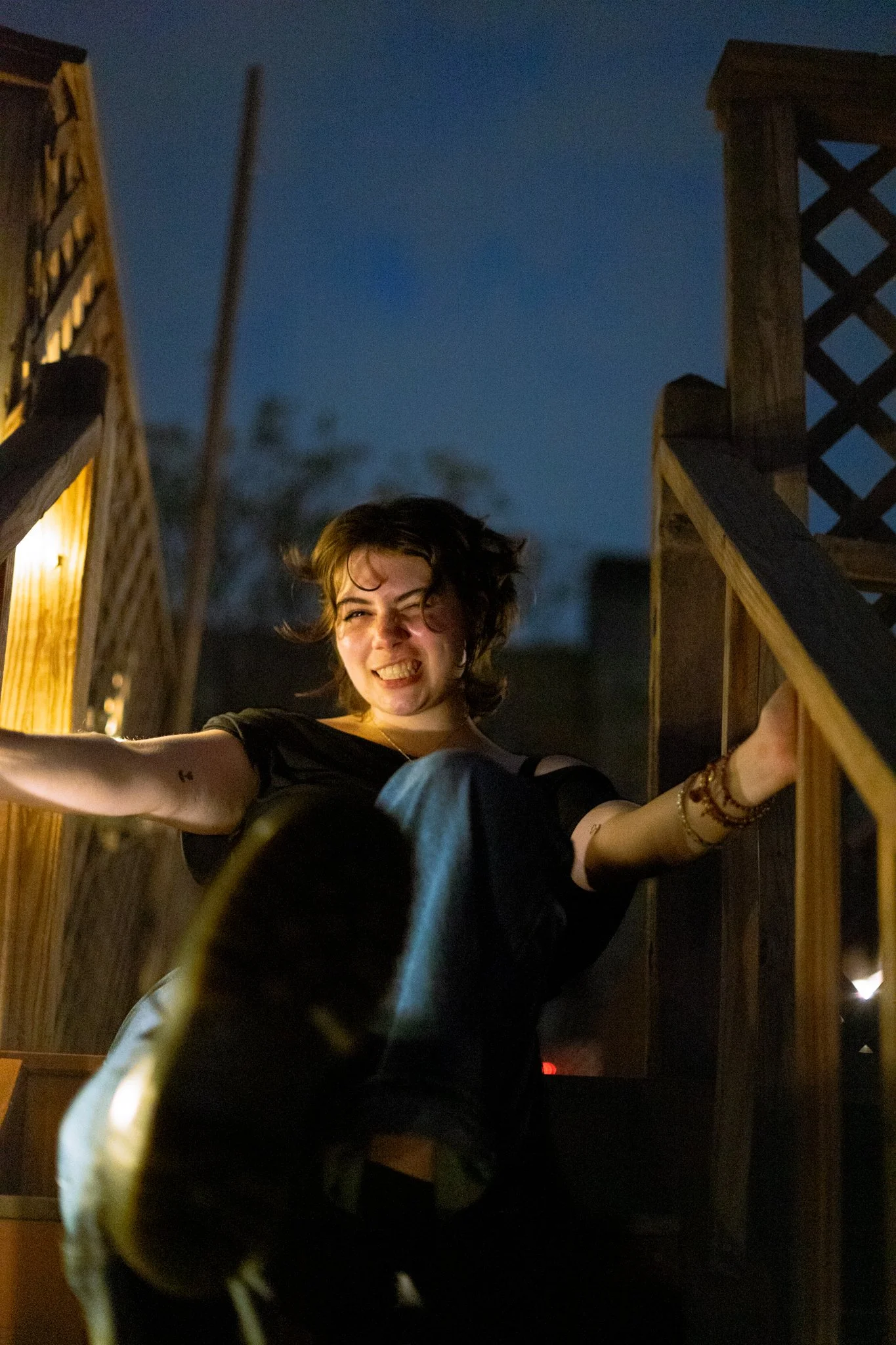
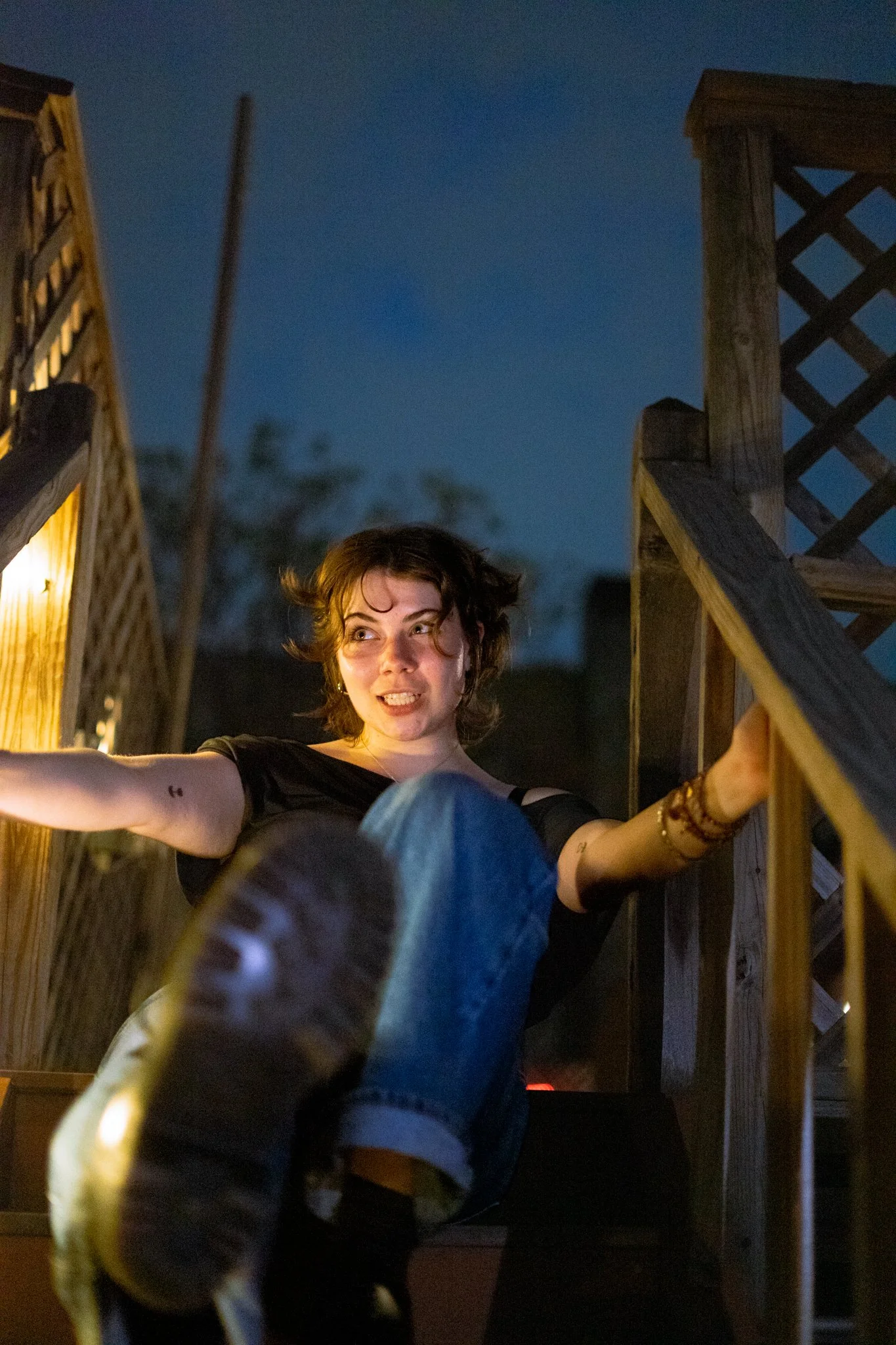
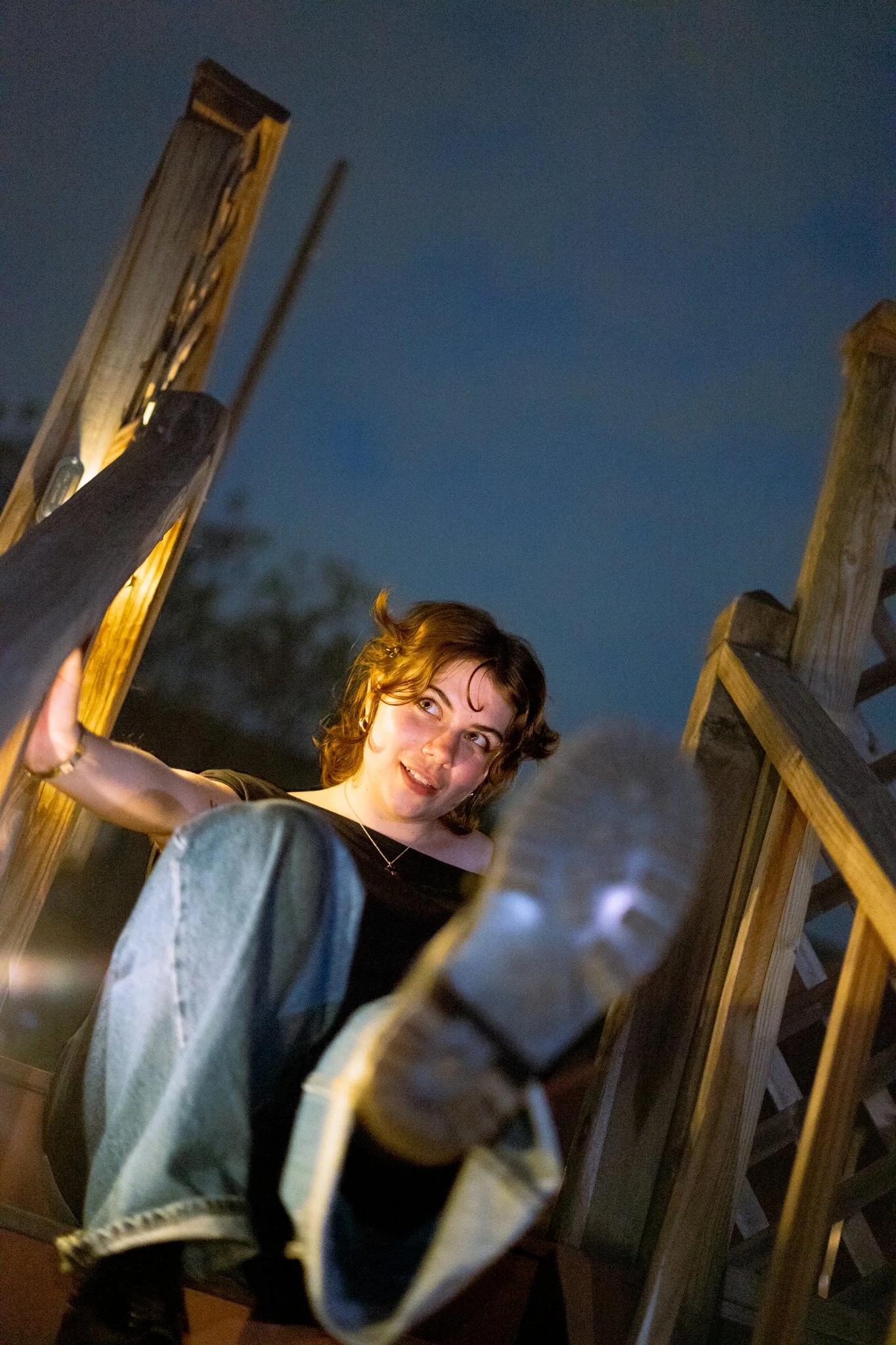
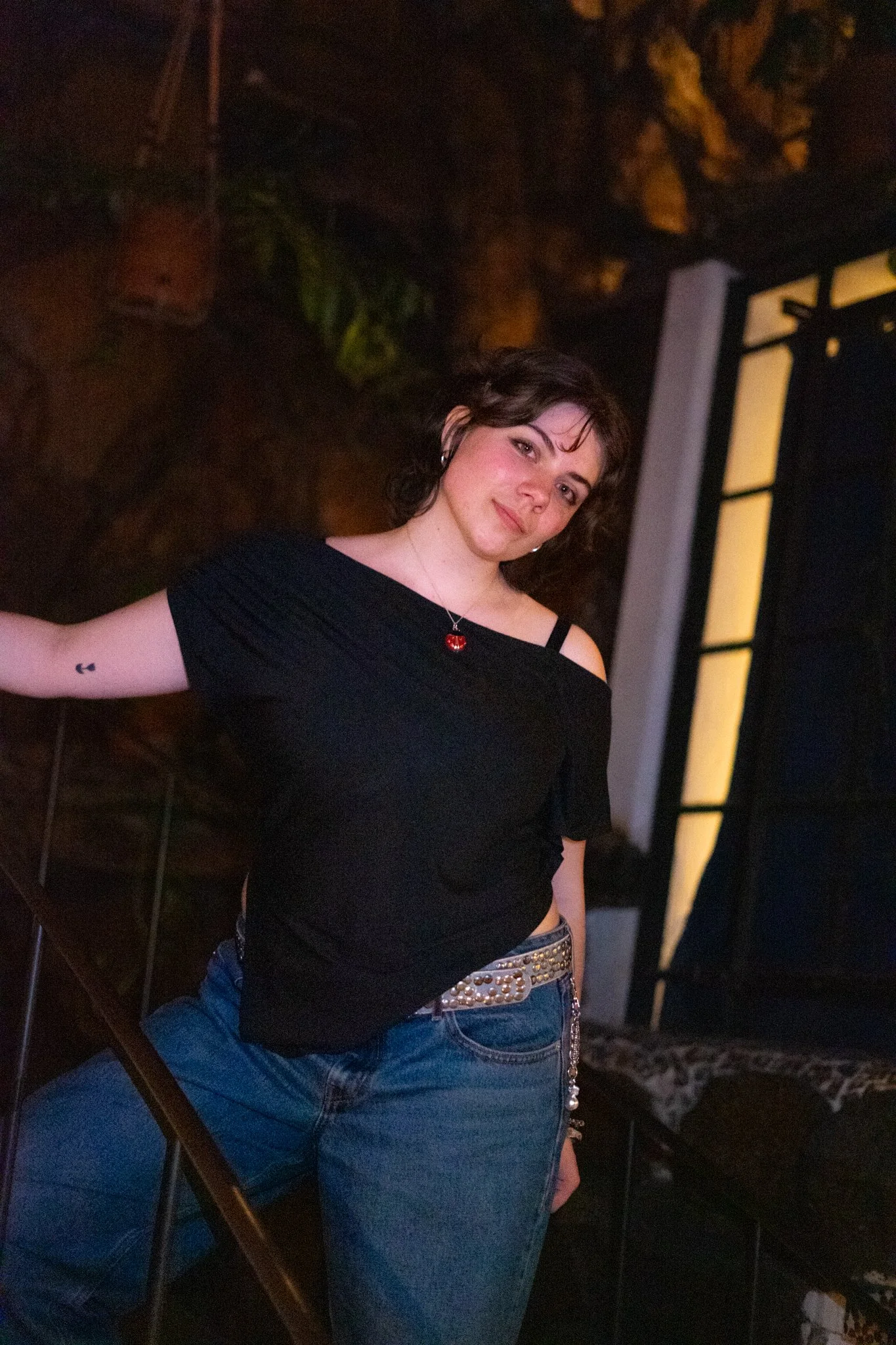
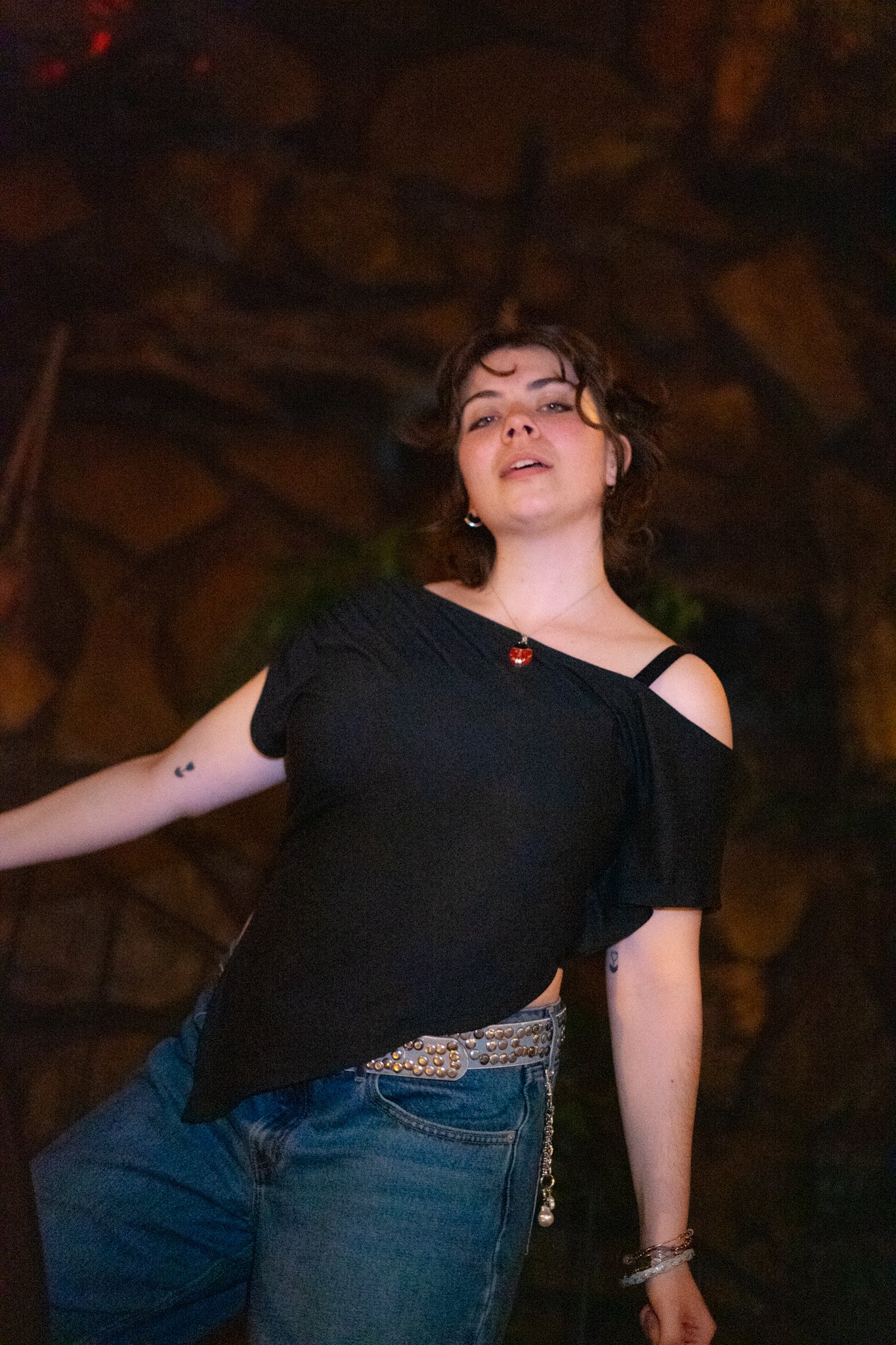
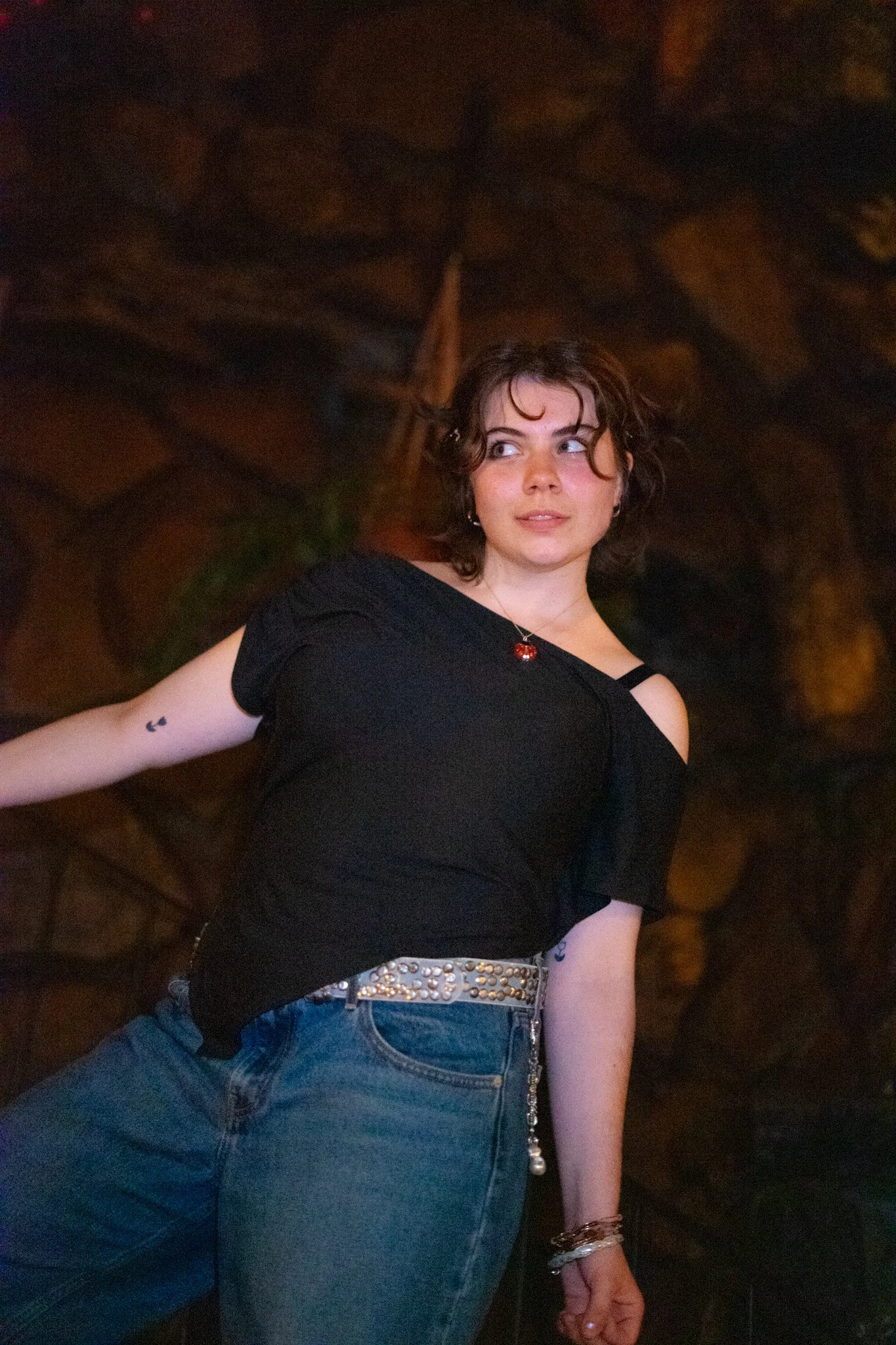
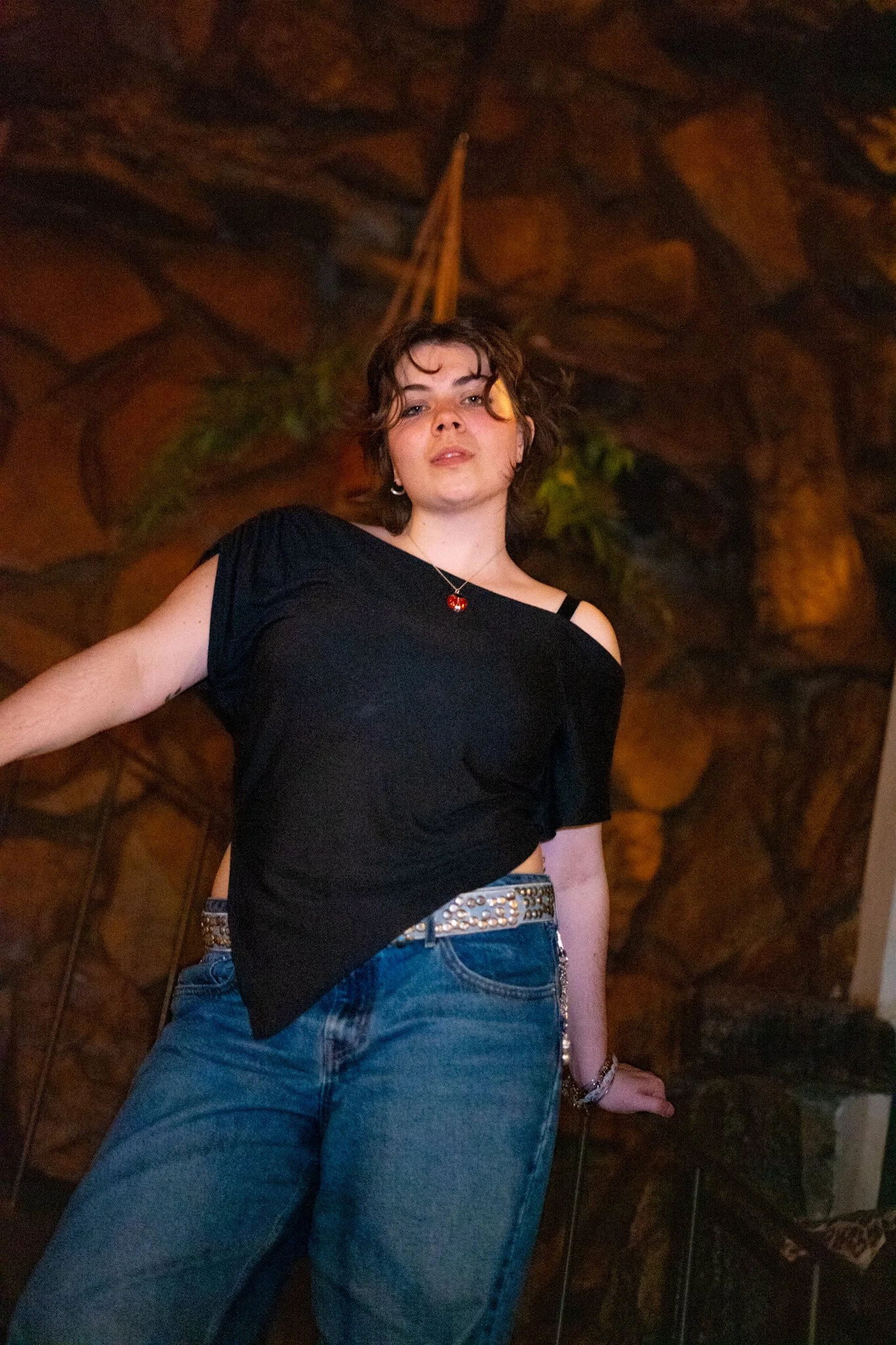
Claire Martine Discovers Sound On The Edge Of Memory
Words and Photos by Matt Keenan
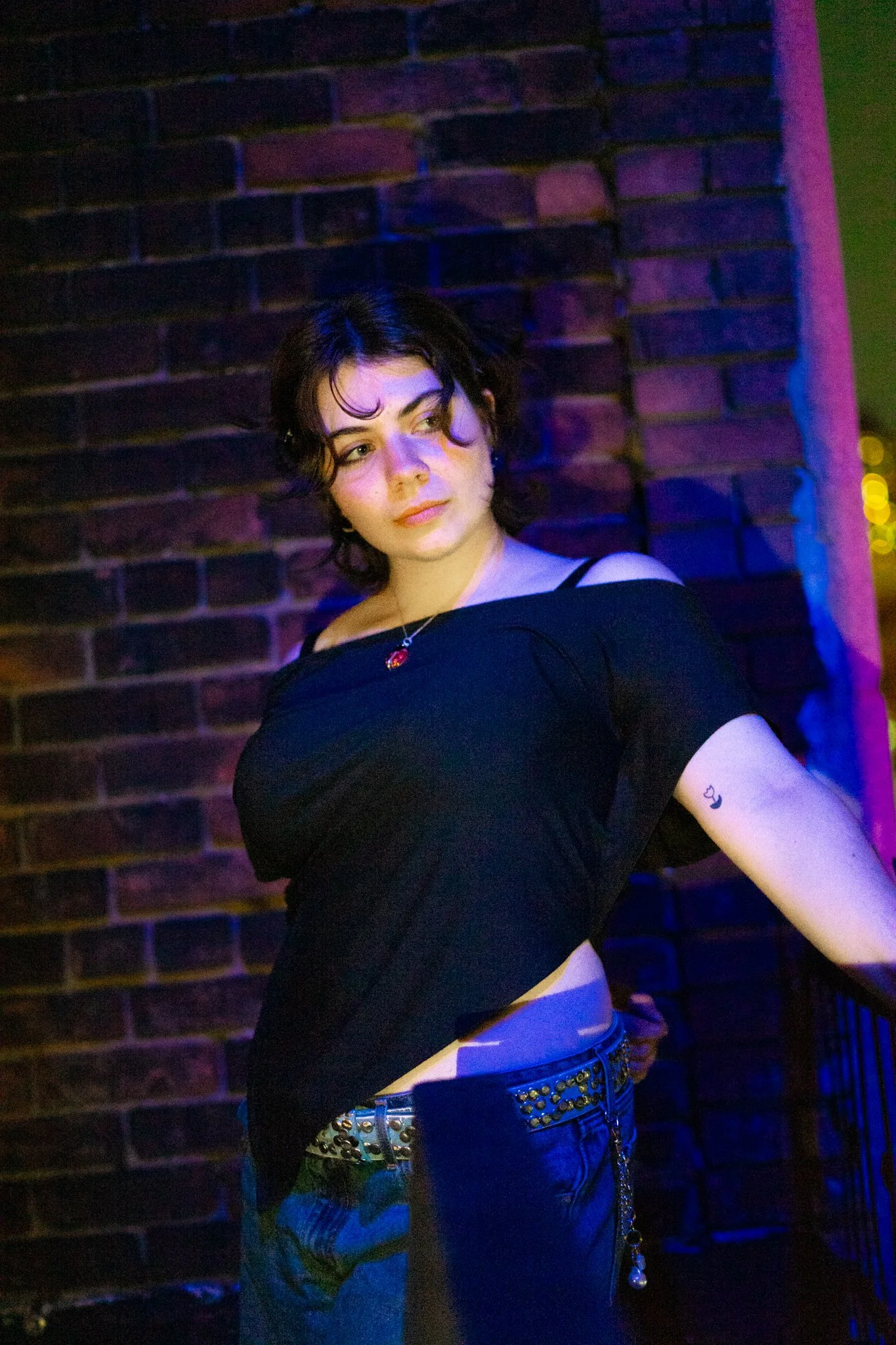
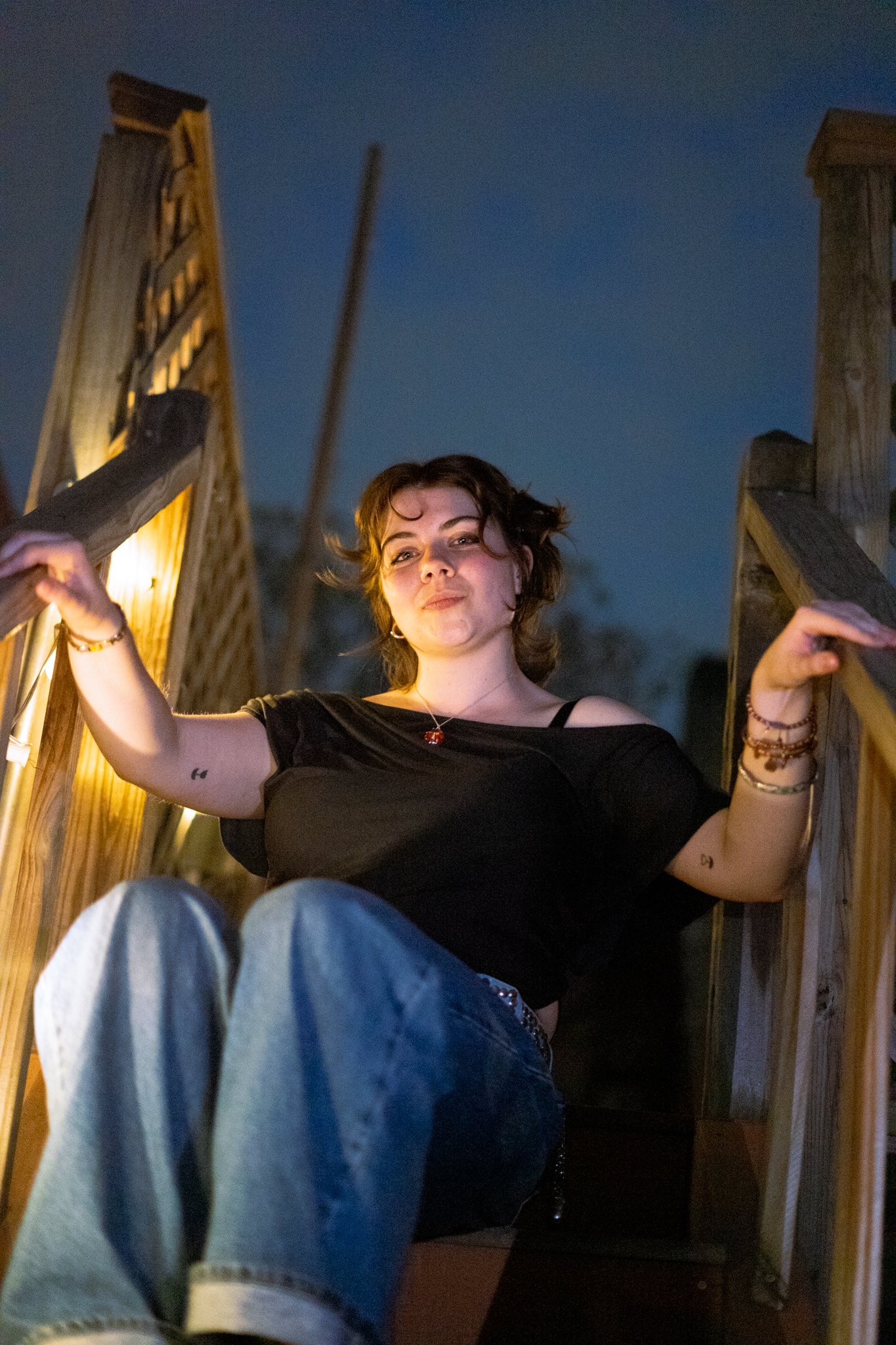
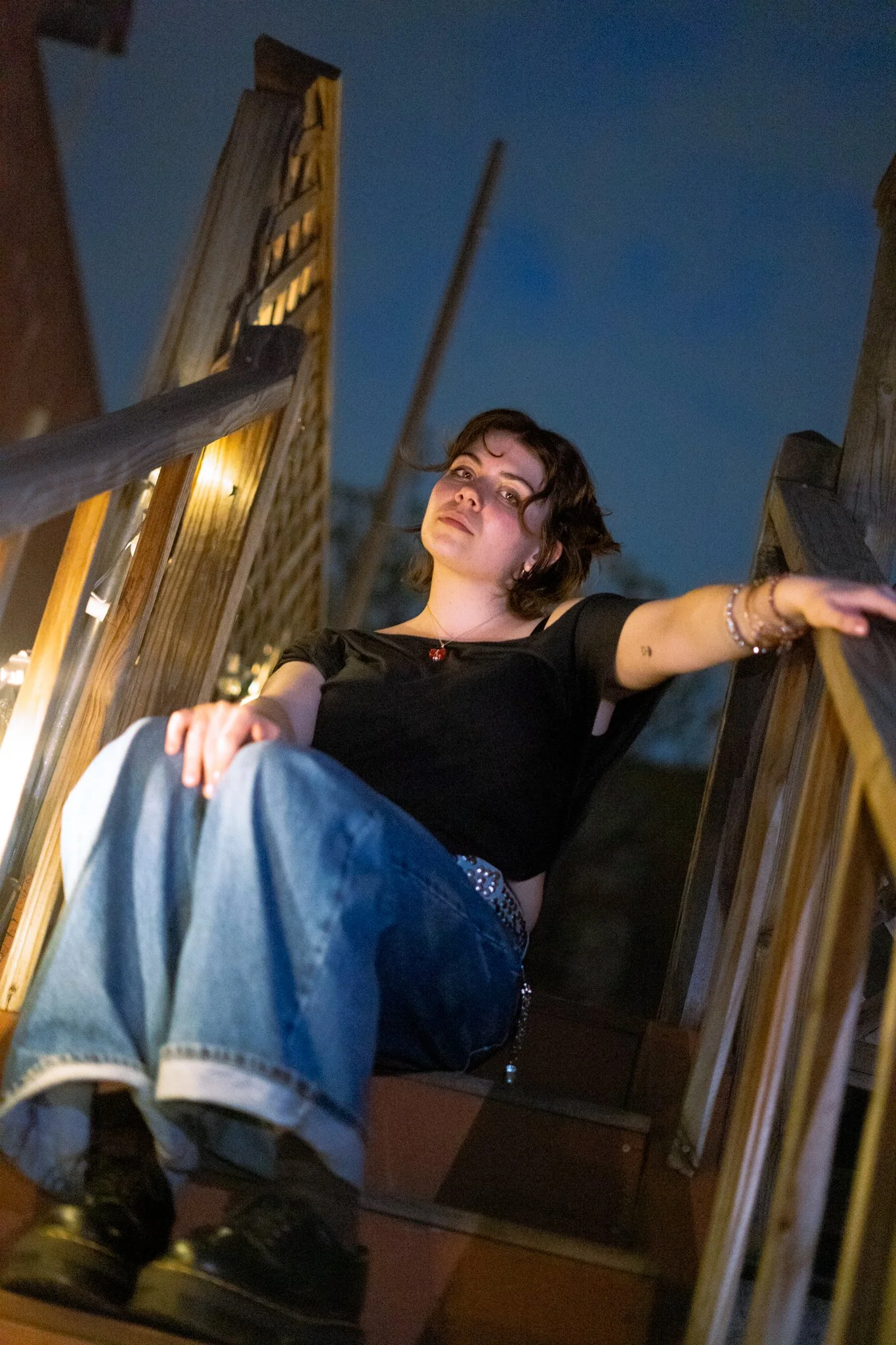
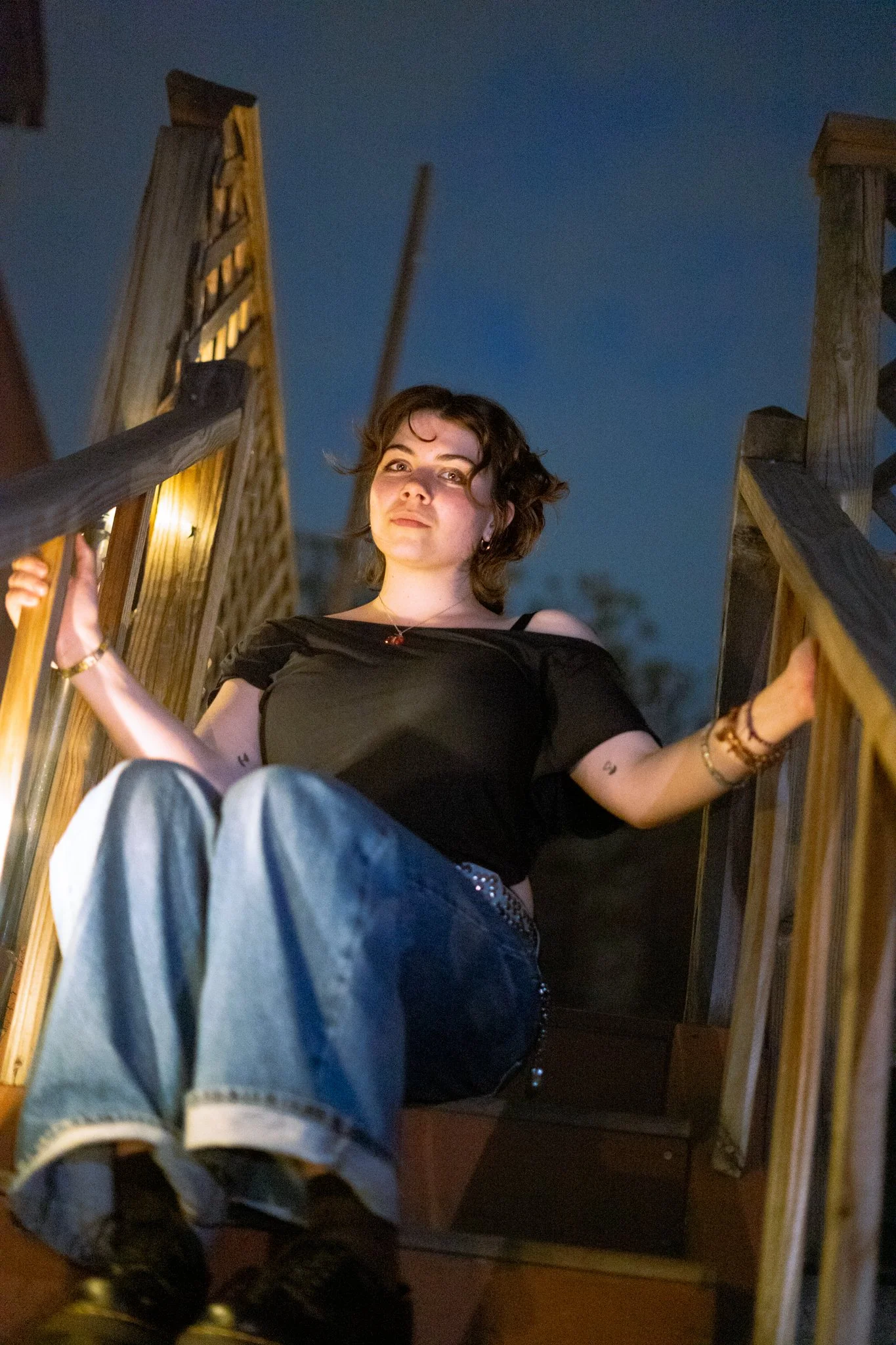
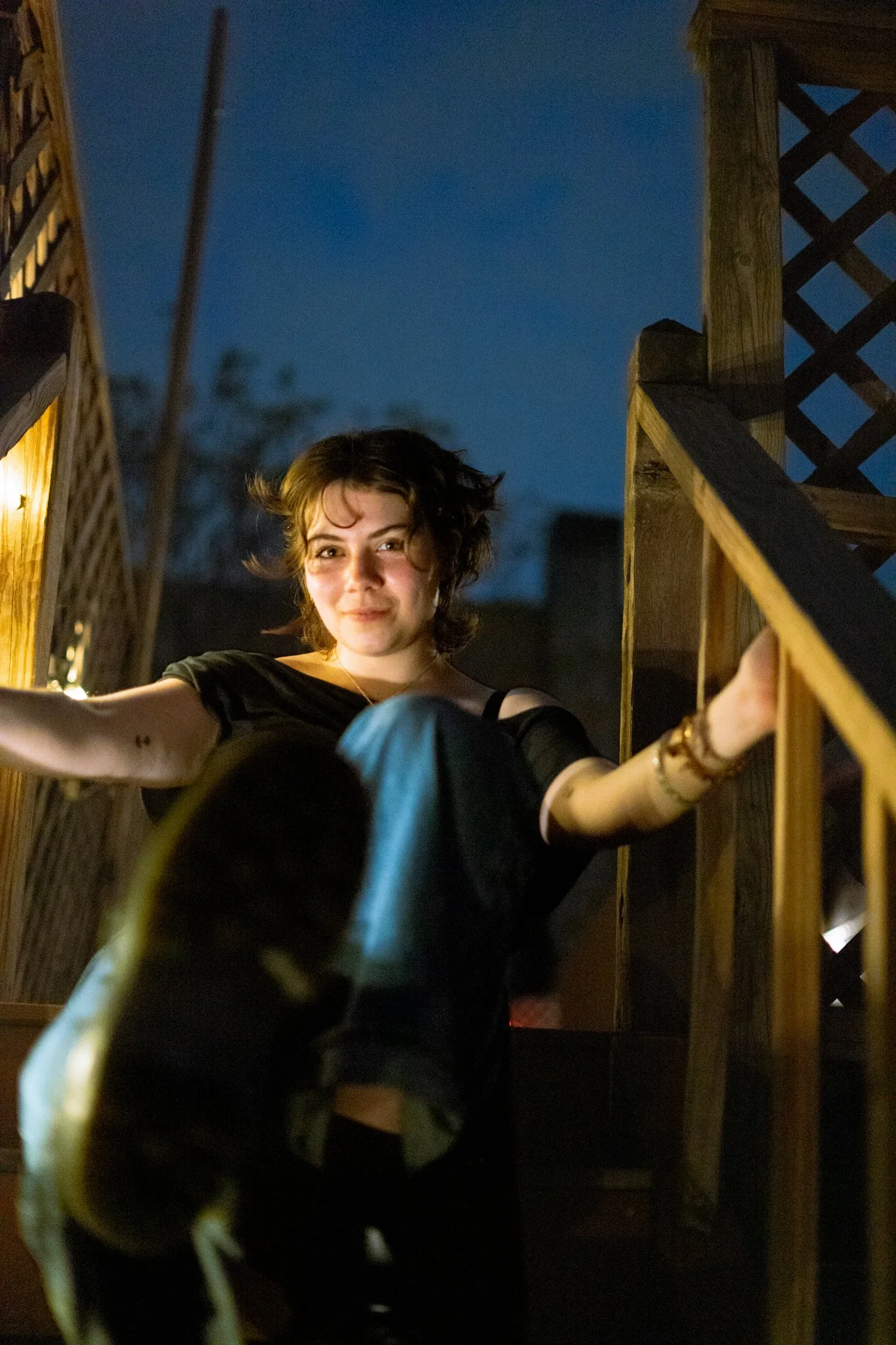
Claire Martine learned to listen before she learned to speak in chords. Raised in Milwaukee playing violin, she came of age musically with precision and classical discipline before eventually trading the concert hall for something grittier. Now based in New York City, she makes alternative indie music that sounds like a memory you can't quite place: dreamy vocals drifting over grungy guitar lines, kitschy lyrics suspended in a Y2K haze.
Her touchstones are the melancholy shimmer of The Cranberries, blended with The Sundays, that distinctly 90s quality of beauty held just at arm's length. But her ears are restless, and like any great artist she loves to listen. Lately she's been pulling from the experimental edges of artists like Smerz, Oklou, and Unflirt, finding new ways to make something feel both nostalgic and not-quite-of-this-world.
For Martine, the through line from childhood prodigy to indie songwriter isn't a contradiction — it's just another way of chasing a sound she can feel but hasn't fully named yet.
One of our favorite parts of Best Left Magazine is the way we get to spotlight independent artists who aren’t in the mainstream but making such beautiful music and art that’s so worthy of attention. Very few embody that sentiment more than Claire Martine, who we got to meet and chat with about her latest singles, making music from the heart, and transitioning from classical styles to her alternative sound.
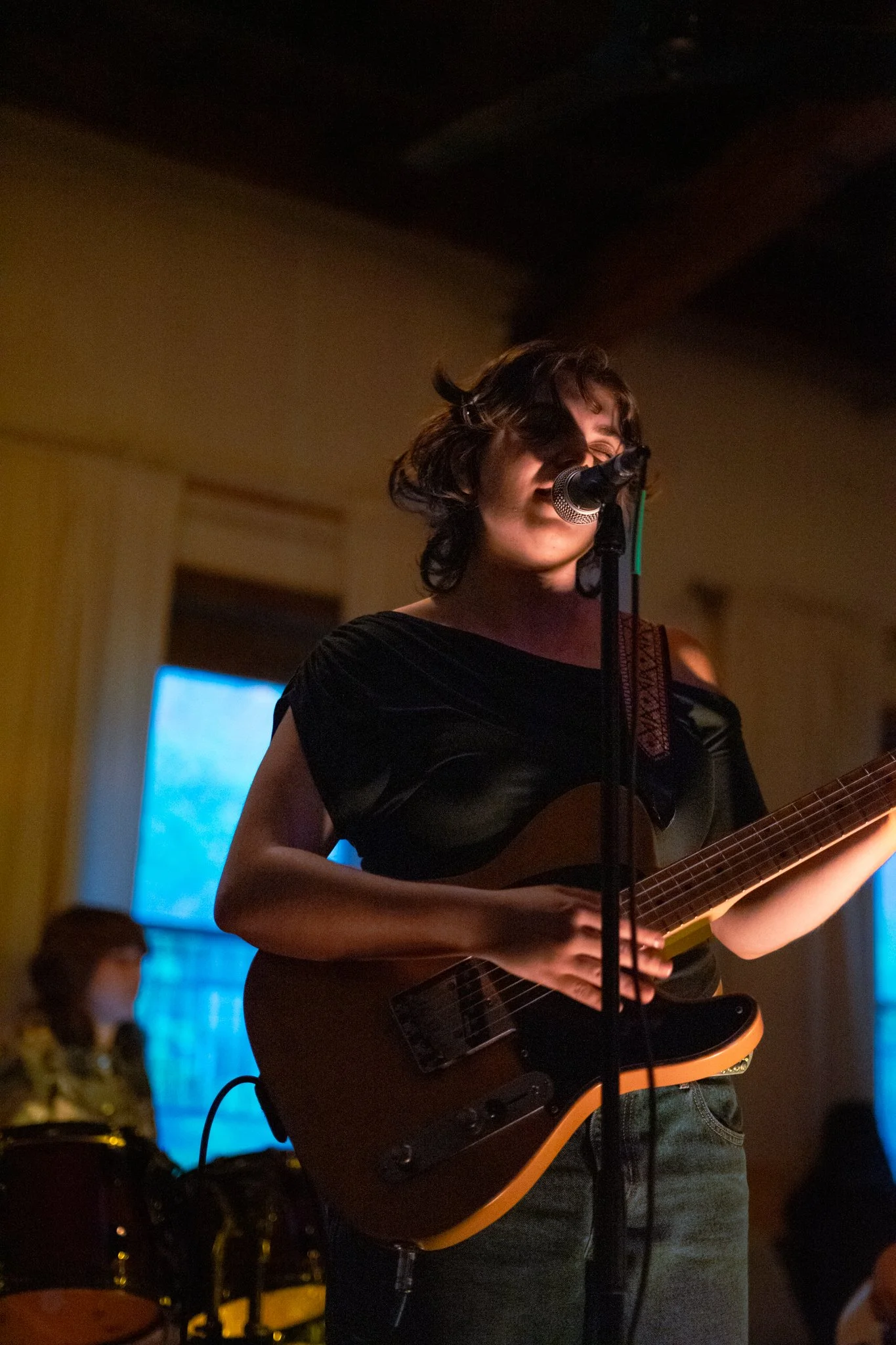
Best Left Magazine: Claire, thank you so much for taking the time to sit with us and chat. We’re obsessed with both singles you just put out and loved catching your set recently in New York. The way you blend transcendent indie sounds with nostalgic lyrics comes off in a way that's so fun to see live.
Claire Martine: Thank you so much! I love to talk about my music.
Coming up in your early upbringing musically, you started playing classical violin. Being that classical musicians are built on discipline, structure, and precision, when did you first hear something that made you want to break out of that occasionally rigid structure?
Claire Martine: Growing up, I really loved listening to the classical songs that I was learning to play. My violin teacher taught her students to play by ear only before reading any sheet music, and I actually think that has been the source of why I like writing my own music now. Learning by ear meant that the music was just the sound to memorize and recreate, not the notes on the page. That might be where the creativity stems for me—I’m trying to put together specific sounds that I want to listen to.
Now of course classical music in its own right is so beautifully built, and a masterful work of art, but what was the first song that ever made you feel emotions that you couldn’t explain with sheet music or a chart?
Claire Martine: I have a vivid memory of my dad and older brother playing the Alt-J album An Awesome Wave when it came out in 2012. I must have been eleven-years-old and we were driving in the car, and I was in the back seat just amazed by this sound I’d never heard before. I would listen to “Breezeblocks” on repeat and I loved “Fitzpleasure.” That whole album is incredible.
When you were deciding to transition from classical music to alternative, was there a moment when you felt like the violin or classical music as a medium didn’t really fit anymore? How did you come to the decision to transition to making the music you do now?
Claire Martine: I never quite made it to a point where I could have gone professional with violin, but I really loved practicing it, and I always felt proud to be a musician. Thanks to my parents, I grew up listening to interesting music. My mom loves The English Beat, Joni Mitchell, Elton John, The Beatles and Cat Stevens. My dad loves Talking Heads, Rodrigo y Gabriela, Beck, Roxy Music, Miles Davis and Getz/Gilberto. When I got my first iPod, it was pre-loaded with all the music my older brother had already downloaded when he was in middle school. I listened to Gorillaz, Death Cab for Cutie, and of course Alt-J. So…when I started finally writing my own music, it felt almost inevitable. I had spent so much time invested in a lot of music, that taking a swing at writing my own felt like something clicked in my life.
Your music is reminiscent of something half-remembered, like you want to say something you can’t quite remember but it’s on the tip of your tongue or a feeling you almost remember but can’t quite place. Is that tension created intentionally, or does it just come across that way on its own?
Claire Martine: Oh yes, absolutely intentional. My songs seem to start from a specific experience I had and exactly how I was feeling about it. But then I like to take it slightly away from myself. Not dramatizing, but cutting through to the big emotion. I’ve never written a song that had a specific narrative. Instead of ‘this is how the story went,’ they’re more like ‘this is how the memory felt.’
Walk us through your songwriting process a little bit, coming up as a classical musician of course gives you a great foundation for music theory and the craft, how do you put your songs together? Is it a guitar line, a lyric, or maybe just a feeling or lived experience?
Claire Martine: I’m actually really bad at music theory. It was never the fun part of learning music for me, so it has never quite stuck. For starting a song, I go with concept first. What’s the mood I’m trying to communicate? That mood is usually from a personal experience I just had or something I keep thinking about. The melody and chords come with trial and error, just playing around on guitar until I find something that lands. For lyrics, I try to paint a picture without coming right out and saying exactly what happened moment by moment of a story. Lyrics often feel like puzzle pieces: What sits nicely in the mouth when I speak it? Where am I rhyming or how creative can I get with a near rhyme? I love a pun, I love a double meaning, I love an idiom.
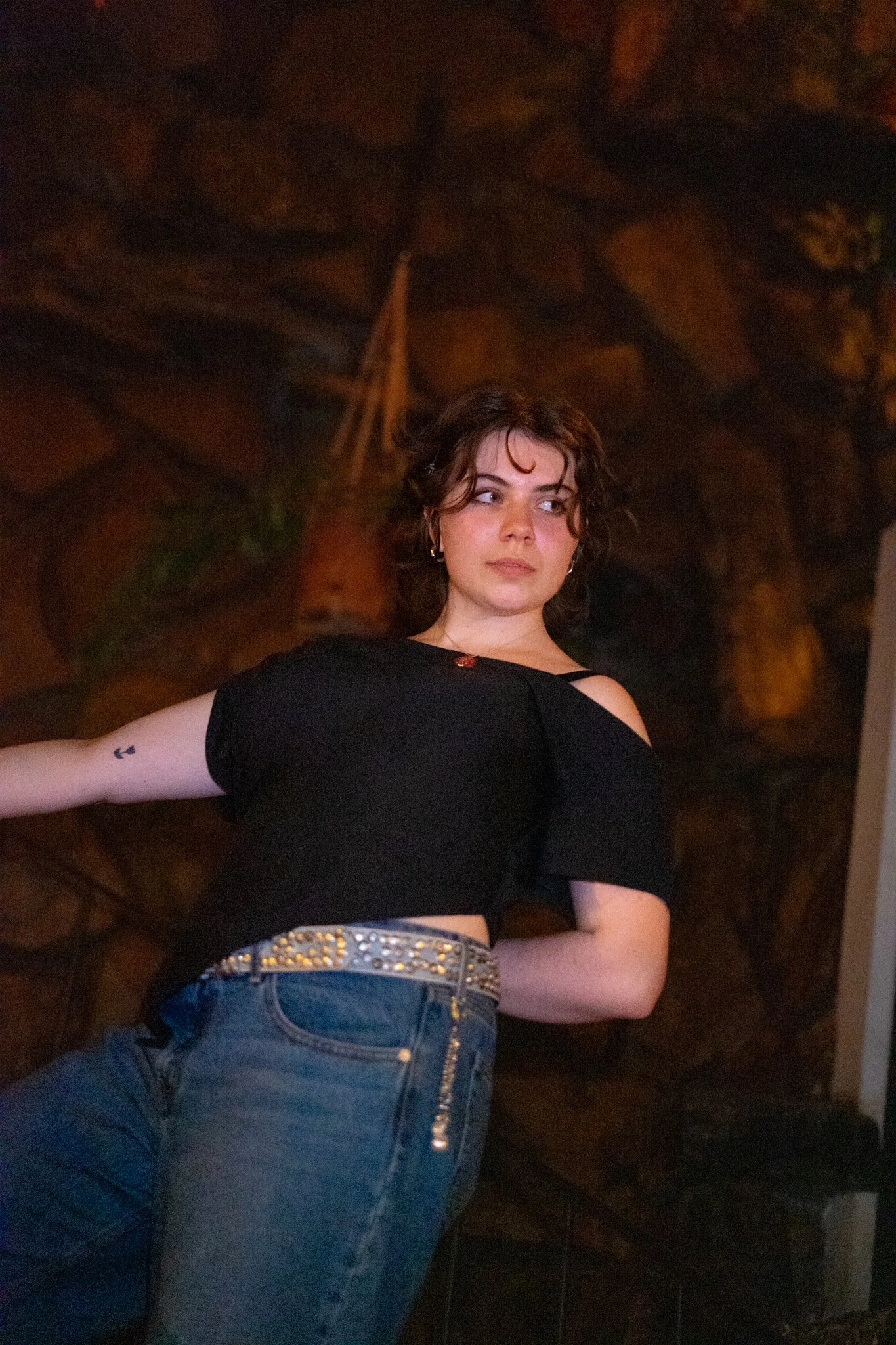
Like any great artist, you’re always listening, with Smerz, Oklou, and Unflirt being in your rotation recently, do you think any of their experimental natures tend to bleed into your work a little bit?
Claire Martine: Smerz and Oklou sound unpolished in the best way possible. I feel like I can hear the frayed edge of their music, and it makes me want to include the frayed edges in my work. I was super inspired by Okou’s guitar playing in her song “Bladebird” for my song “Got it wrong.” Her playing isn’t perfectly in time, and the whole song lives in a really interesting place between acoustic and digital, but I think that’s what makes it great. Smerz sounds so unique and DIY. To me, the effect is that they just came up with it right when they hit record.
With the momentum you’ve been experiencing, like radio airplay and live studio sessions, and your sound developing really nicely, was there a moment where you’ve begun to see yourself as an artist rather than a musician who also wrote songs?
Claire Martine: When I’m making things with other people is when I feel the most like an artist. It’s the best way to push past the self-criticism.
While you were making these singles, was there a particular session or moment where you discovered something like a specific sound or lyric you really liked that you didn’t know you were looking for?
Claire Martine: I love when an instrument is bit-crushed to the point where it sounds like a broken toy phone. That digital distortion was not something I was expecting to absolutely love. Finding ways to bring in a glitchy, digital element has really informed this EP.
While you’re developing as an artist, on a creative journey to create this transcendent, ethereal music, is there one of the last singles in specific that you feel you really came into your sound?
Claire Martine: “Got it wrong” really combines the acoustic and the digital distortion into something I wasn’t expecting. I wrote the first half of the song about three years ago, before I was even considering being able to produce or put out music at all. I liked the lyrics and melody though, so I held onto the half song. I’m most proud of the production on this one because it all fell into place in a breezy way. I worked on production with Alejandro Flórez (my college guitar teacher turned studio engineer and DIY producer) and Liam Hartnett (my high school friend turned big time collaborator), and I couldn’t have done it without them.
You’ve previously been in a festival lineup on the same stage as Matt Maltese and The Army, The Navy in Milwaukee, who’s a dream artist you’d love to perform with in the future?
Claire Martine: I would love to perform with The Marías or Not For Radio. The music is so dreamy and I absolutely love María Zardoya’s voice and stage presence. She’s ethereal.
What’s something you want listeners to feel when they listen to your music – not think, but feel?
Claire Martine: Feel moody, feel angsty, feel you’re reaching back for something that you haven’t let go yet.
One of my favorite things about your music is the feeling of nostalgia you portray, and the way you do it uniquely in a world so saturated with artists making nostalgic music right now. What do you think is the appeal of mining 90s alternatives, what do you think that artists are reaching back for?
Claire Martine: So much 90s alternative music is so incredibly moody. I think artists like reaching back for the moodiness and the dark vibe of the music from that era.
Radio Milwaukee recently ran a full feature on your debut EP and how you made the move from Milwaukee to New York City, and you mention that “Better safe than sorry” feels like the next step in that trajectory following all of the momentum you’ve built up so far, could you expand on what you mean by that?
Claire Martine: The music on the “Better Safe Than Sorry” EP feels the most me. I feel like I’ve honed in my songwriting, sound and direction. It feels like I’ve been able to build a sound that’s more specific, that I can continue to delve into and expand on.
Speaking of your move to New York, you’ve come into a music scene that’s like no other in the world. What are you most looking forward to about making music and performing in such a culturally rich and iconic music scene?
Claire Martine: I am looking forward to collaborating more. I moved to NYC for college about six years ago, but it was still in the pandemic, so it’s taken me a long time to come out of my shell. I’ve been feeling way more confident than I did in school, and I’m excited to make music with more people soon.
Since moving to New York, have you gotten to check out any local shows or bands that have stood out to you?
Claire Martine: I love my friend Emely Truong’s band Model Minority. I love Operelly, Smush, The Booyah! Kids, Hank Heaven, Evil Adeline, Mei Simones, and Horsepower.
What’s next for Claire Martine, are there more shows to expect, or any surprises on the horizon? Anything you’re particularly excited about?
Claire Martine: My next single “Means to an end” is out May 26th! Then after that I have one more single to complete the EP, out at the end of June. I’m playing some shows in Chicago and Milwaukee that I’m super excited for too.
Wrapping up our latest feature with Best Left, Claire leaves us with the same feeling her music does — like something important was just said, and you're still working out what it means. She is an artist in the truest sense of the word: not performing a version of herself, but genuinely building toward something she hasn't fully arrived at yet. That restlessness, that refusal to settle into a sound just because it's working, is precisely what makes her worth paying attention to. Milwaukee gave her the discipline and the ache, while New York is giving her the friction. Whatever comes next, you get the sense she'll be chasing that almost-named feeling for as long as she's making music, and that the chase itself is the whole point.
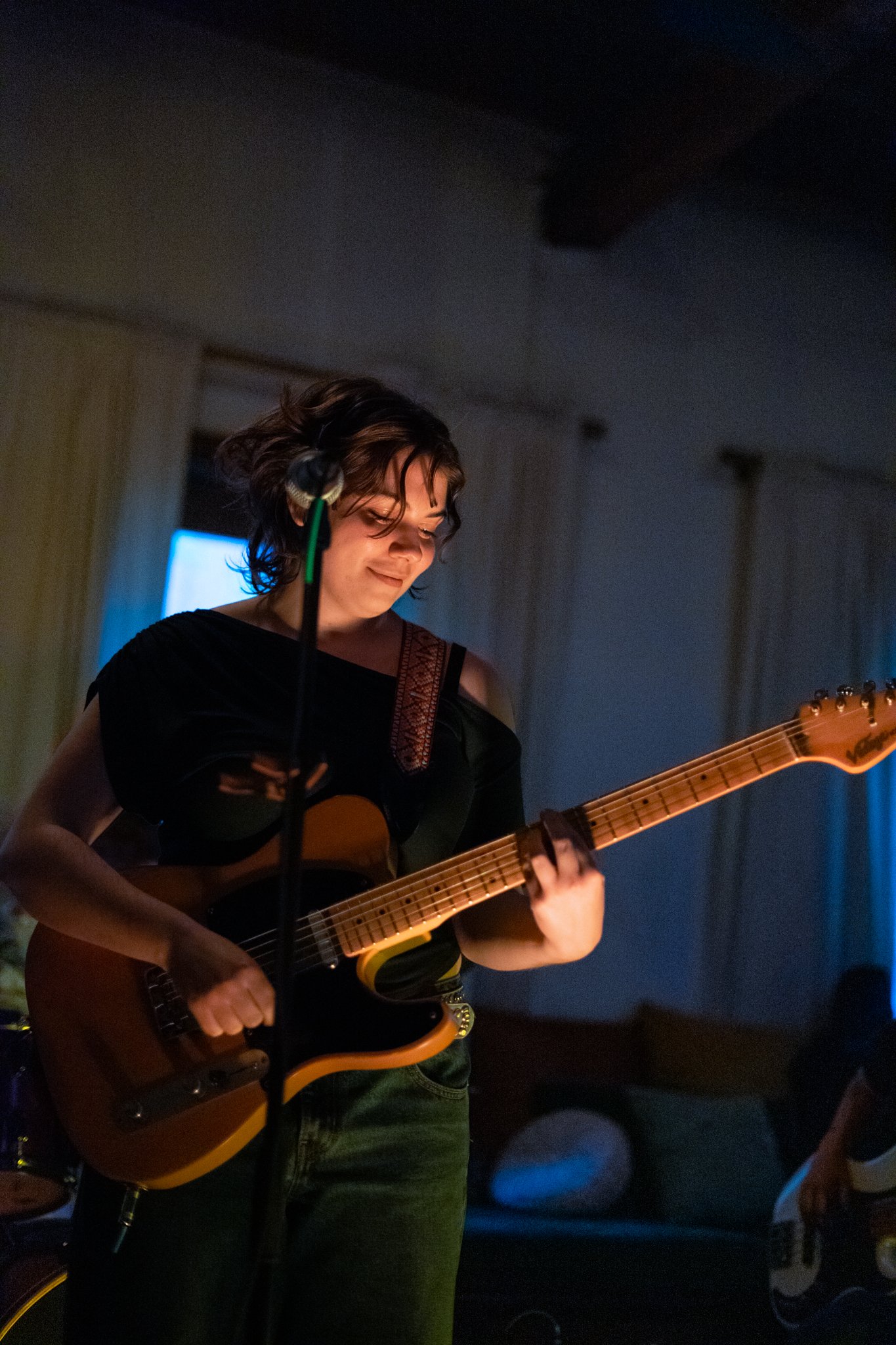
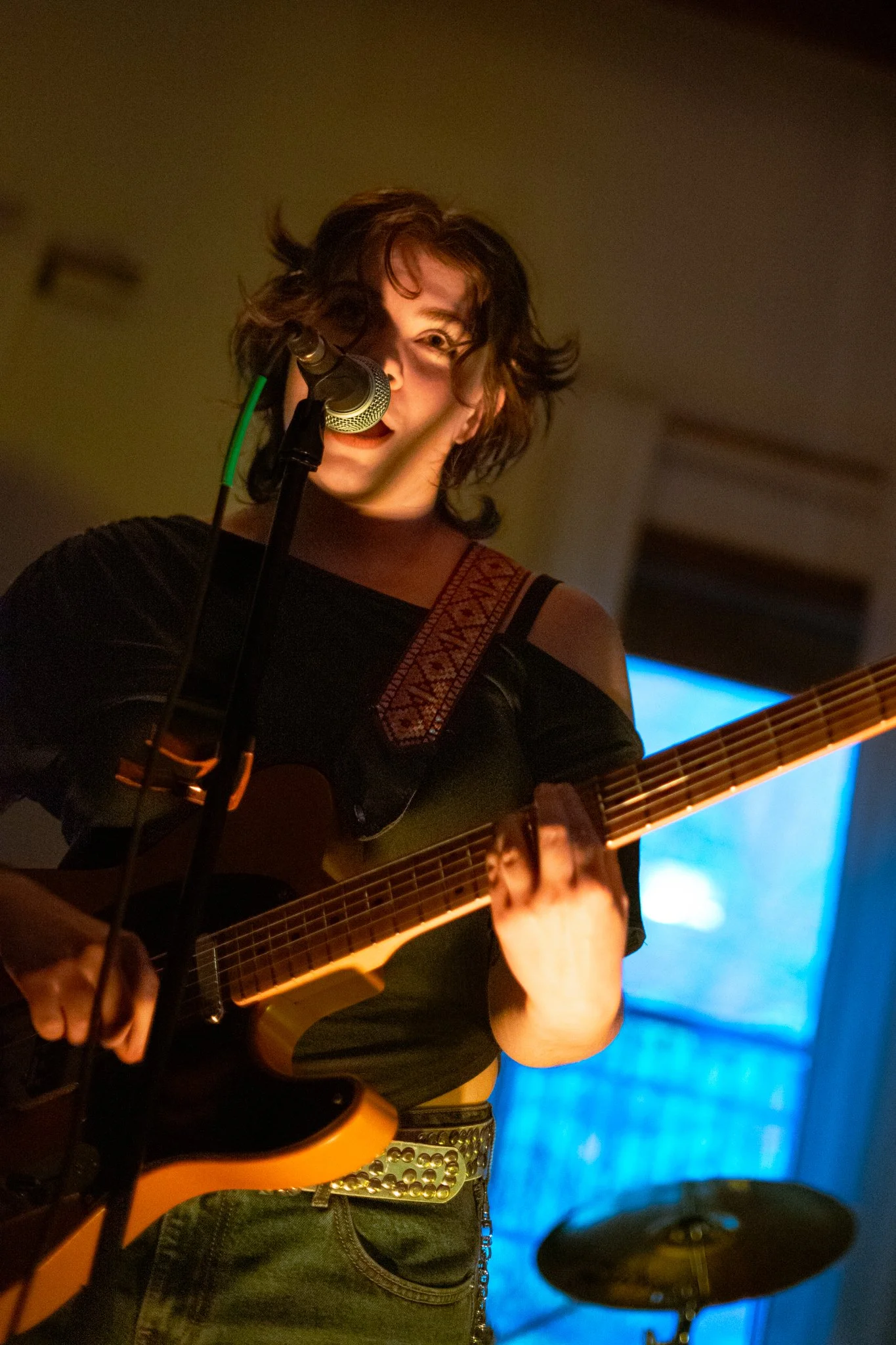
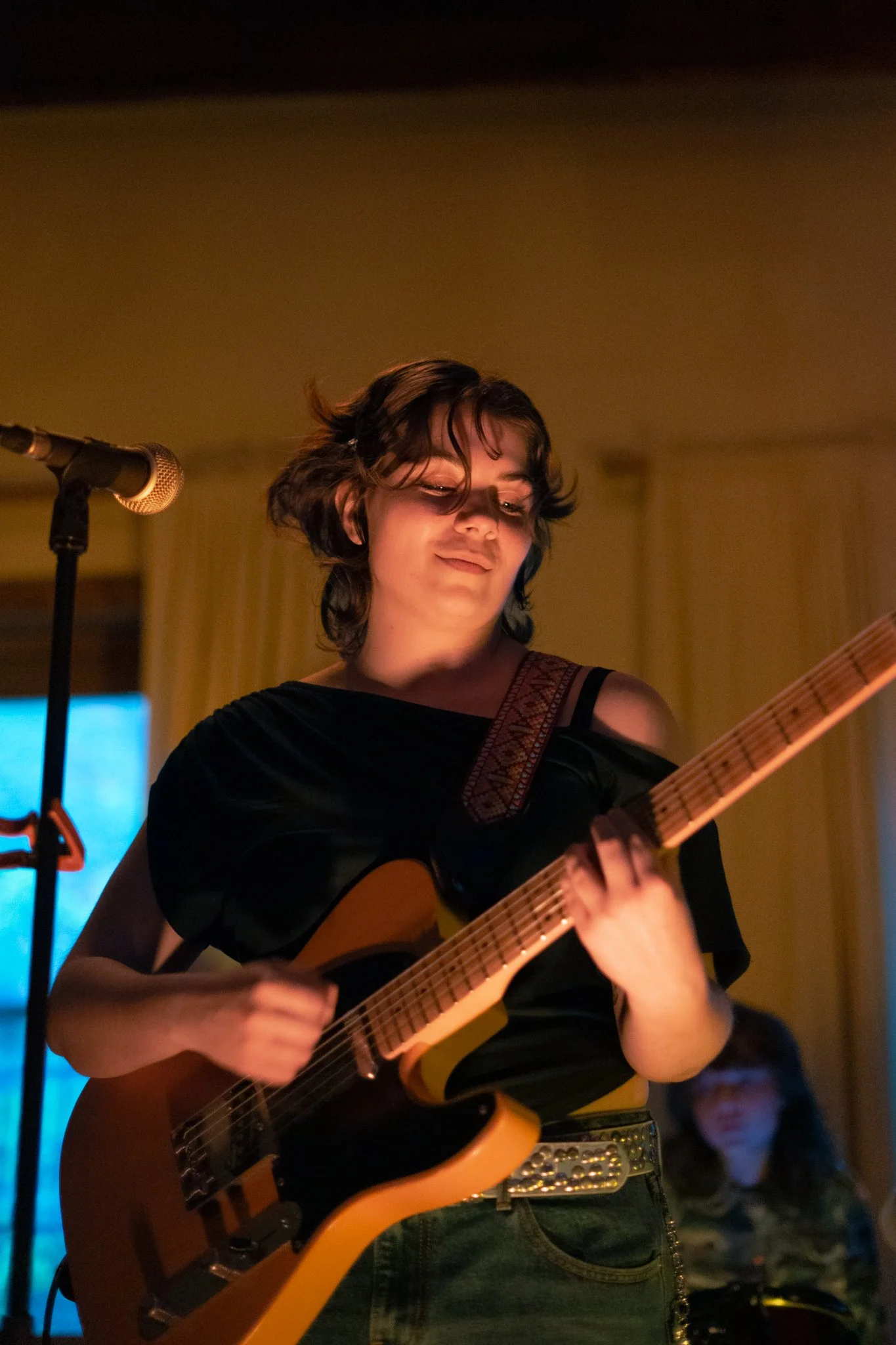
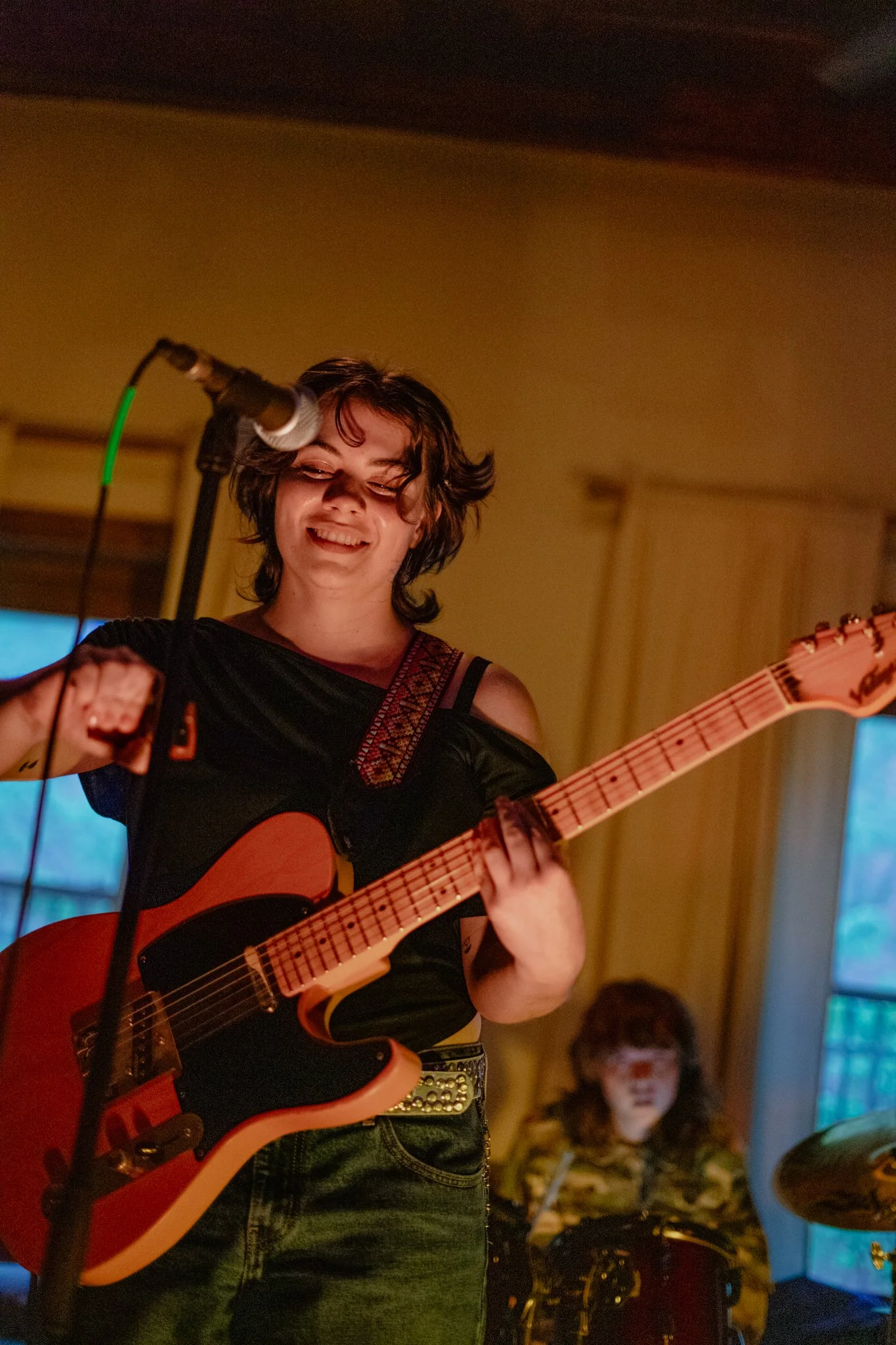
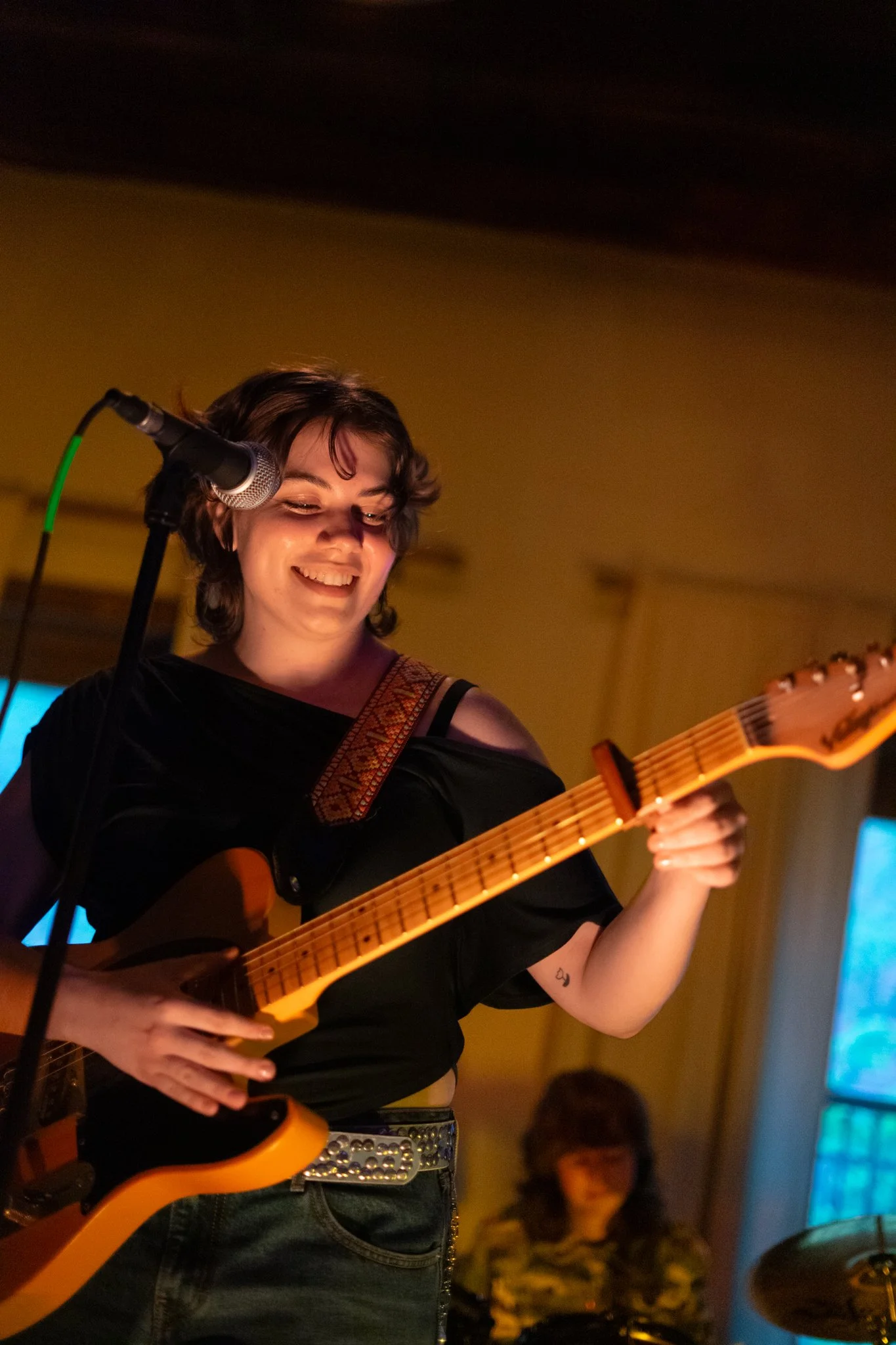
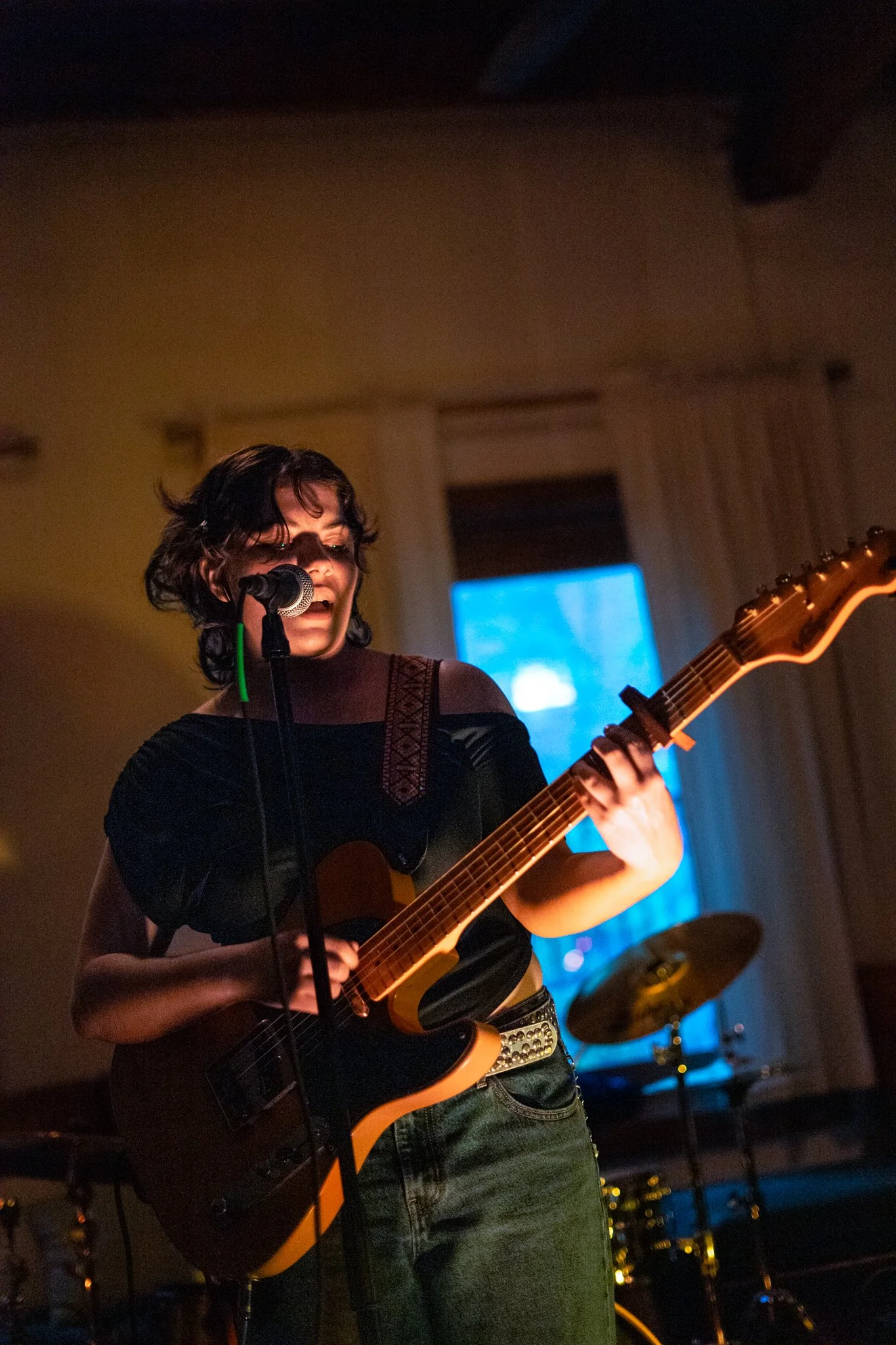
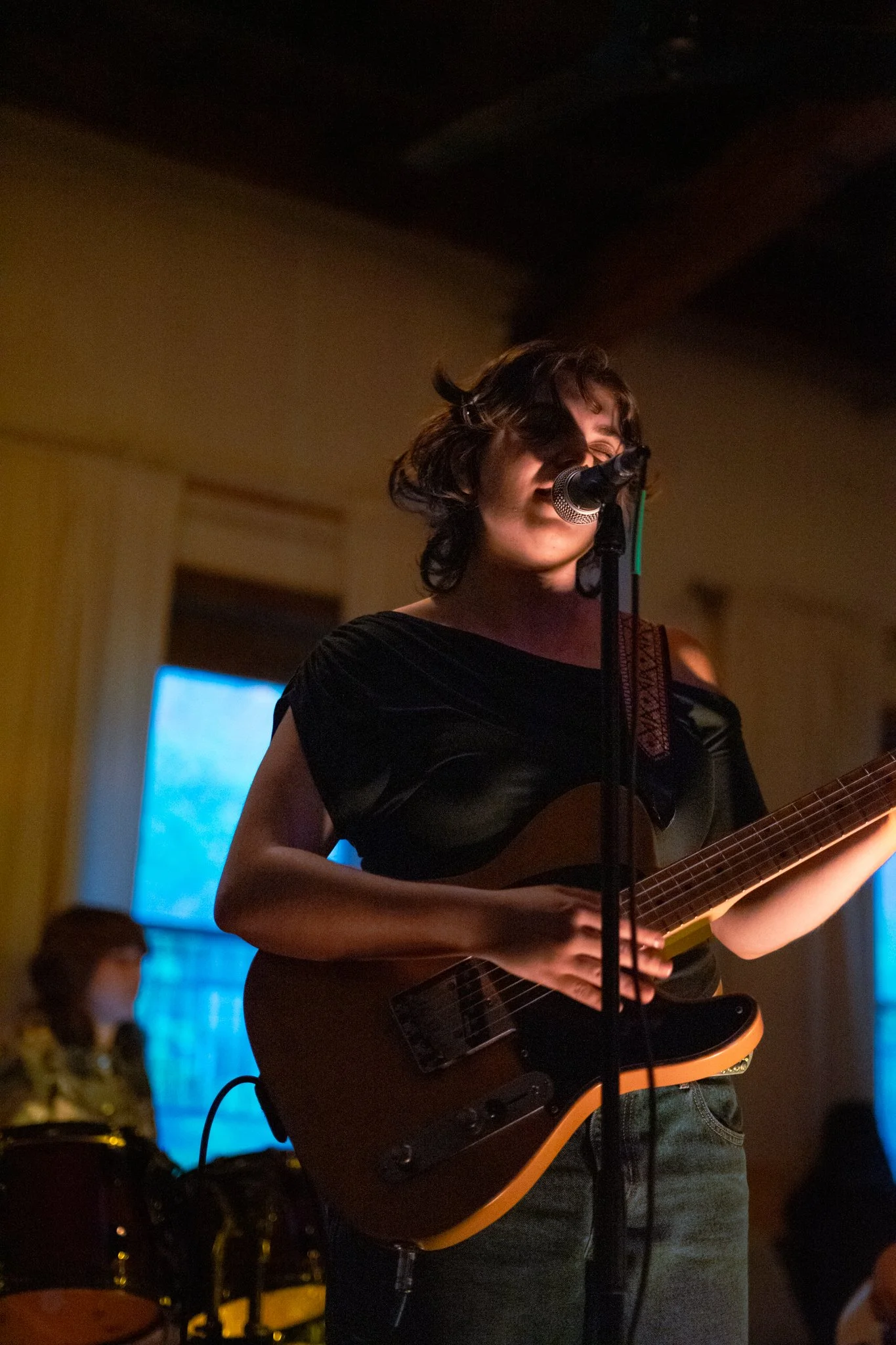
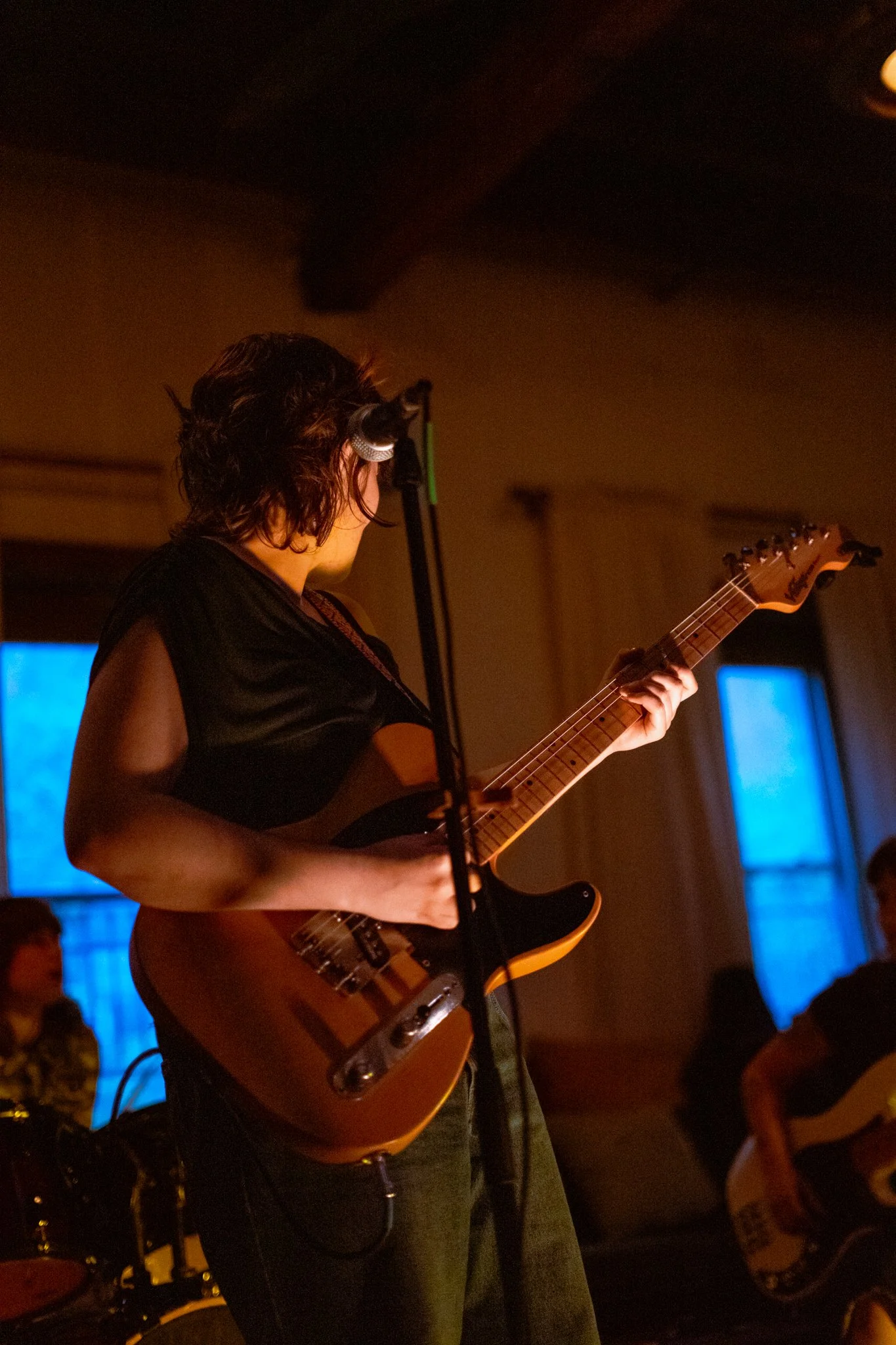
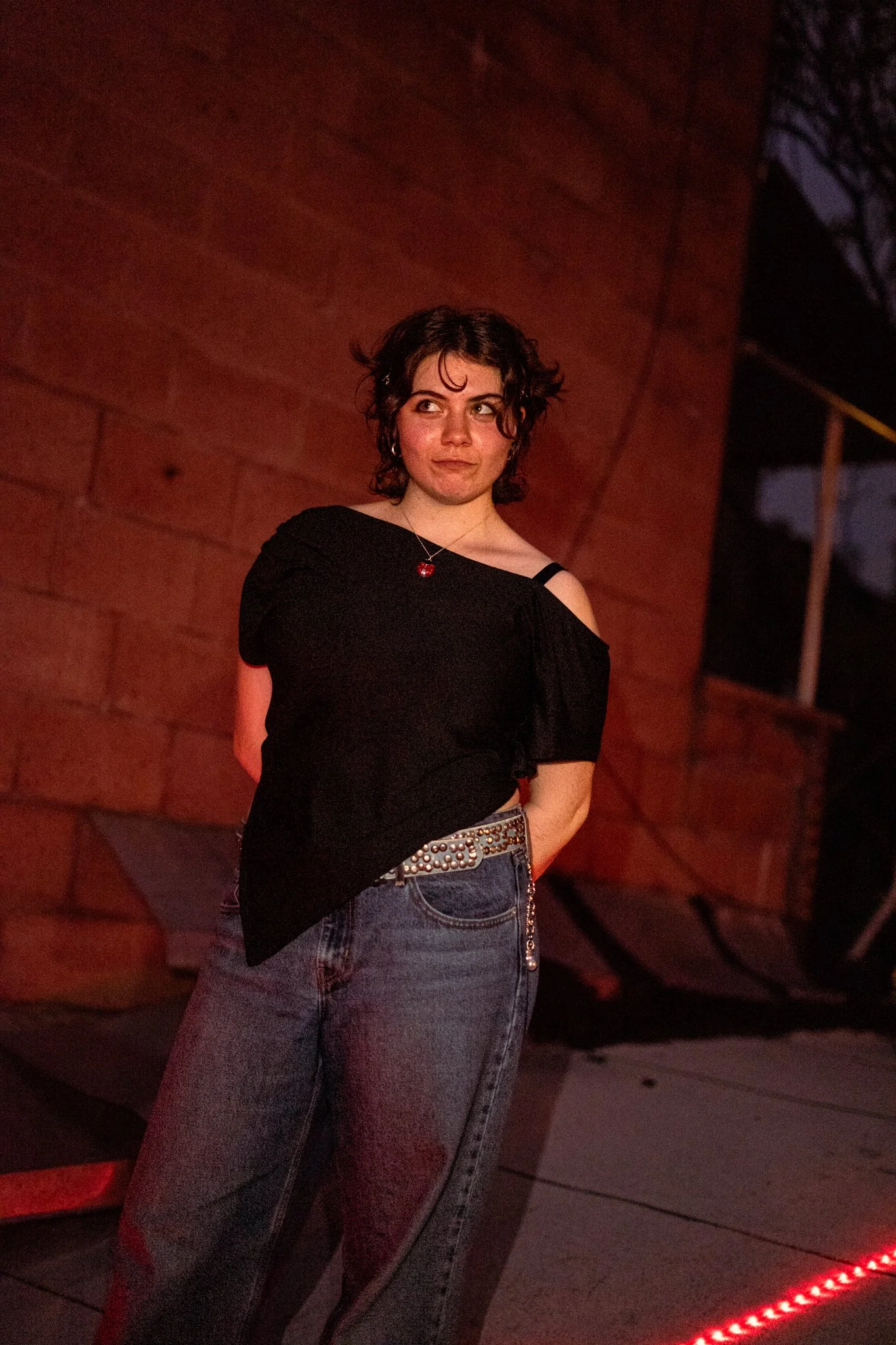
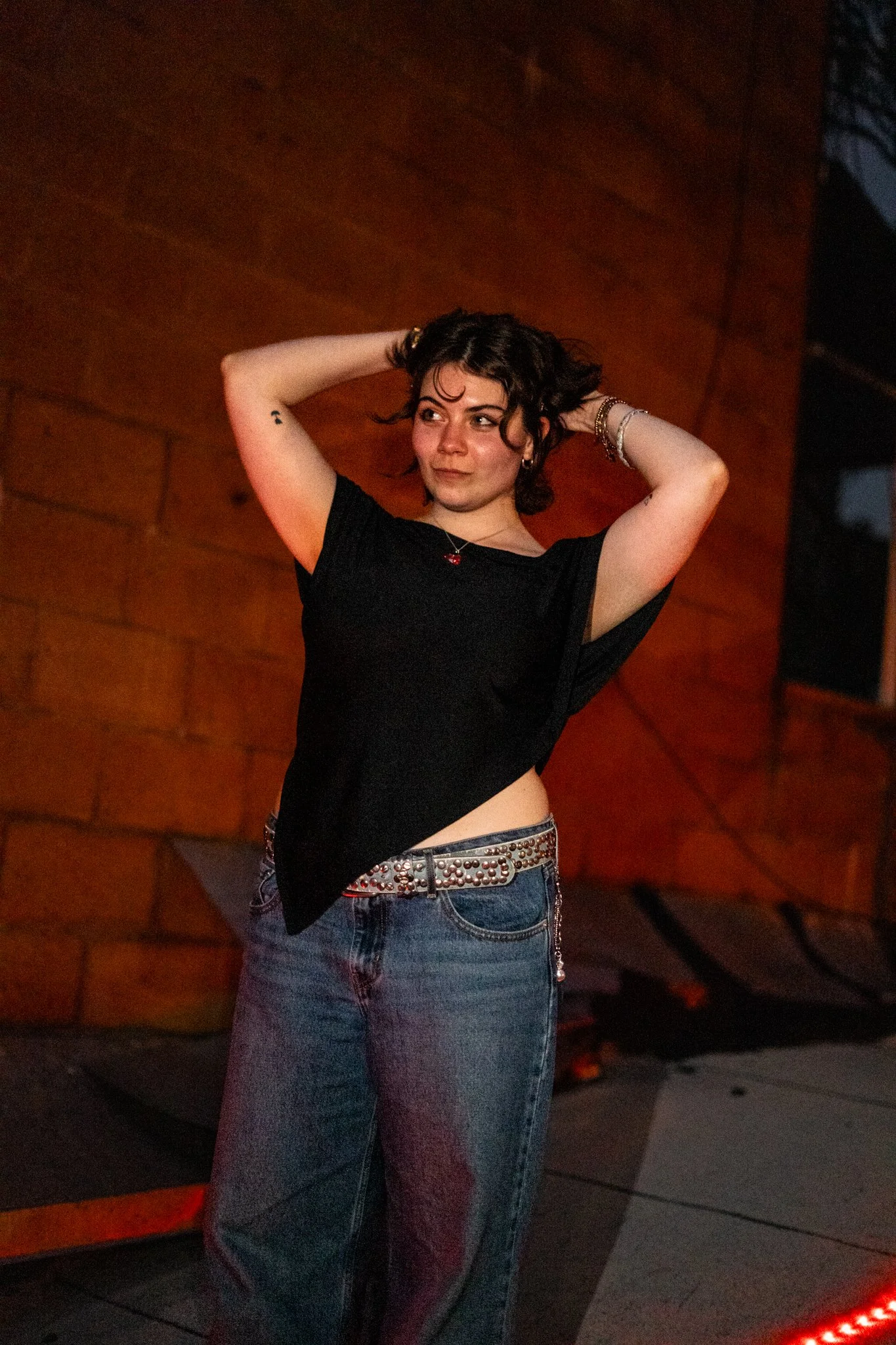
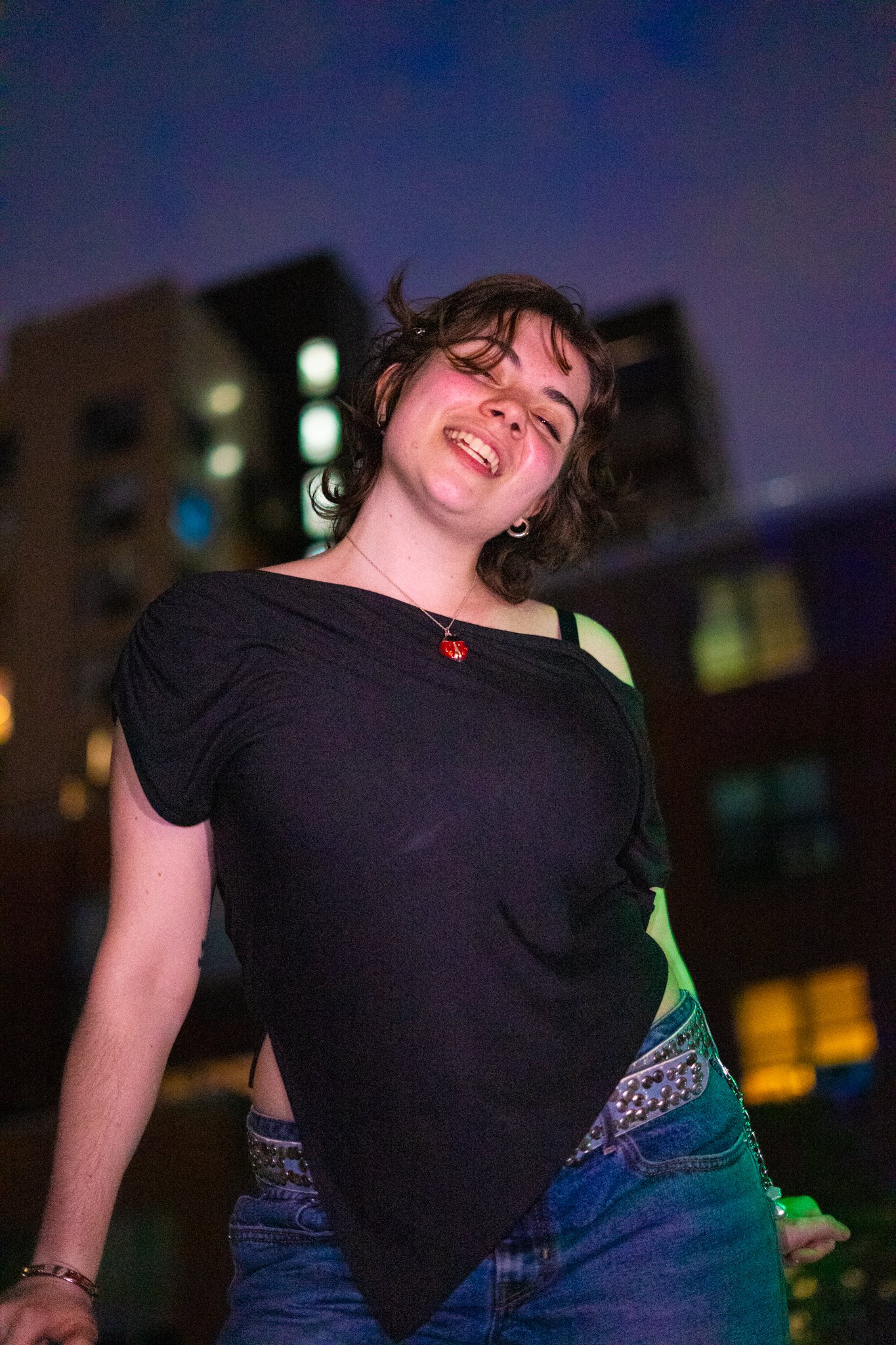
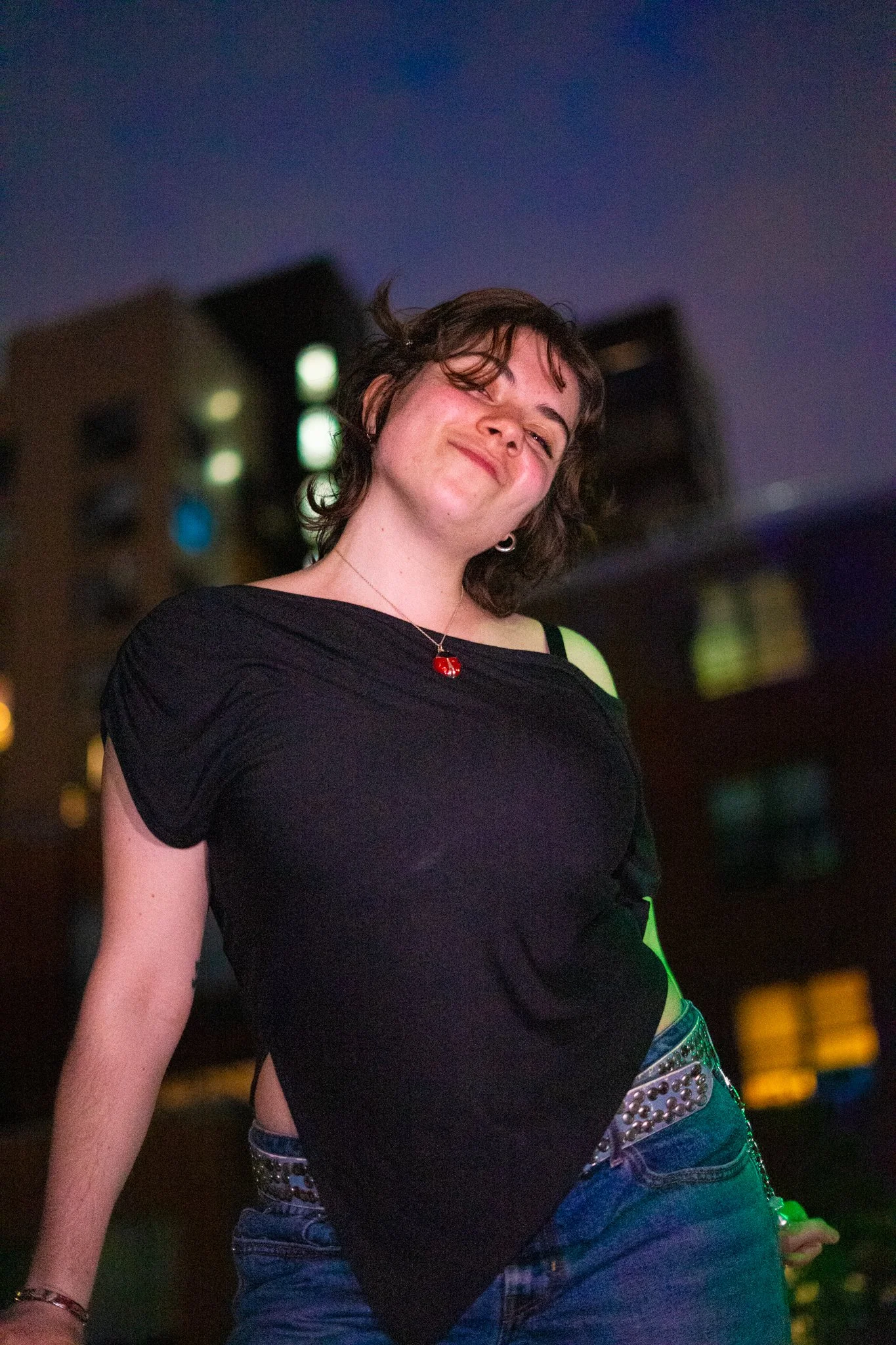
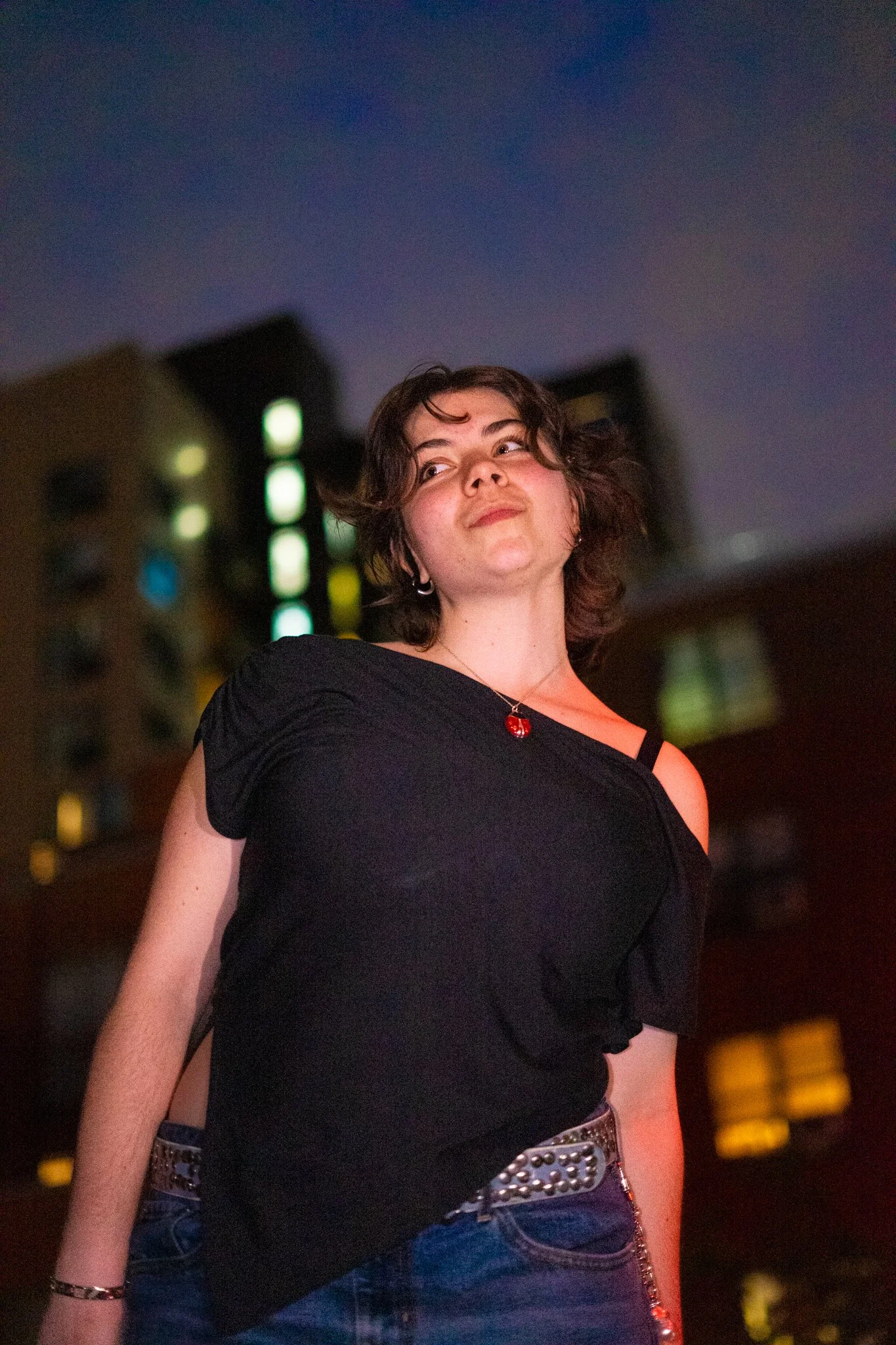
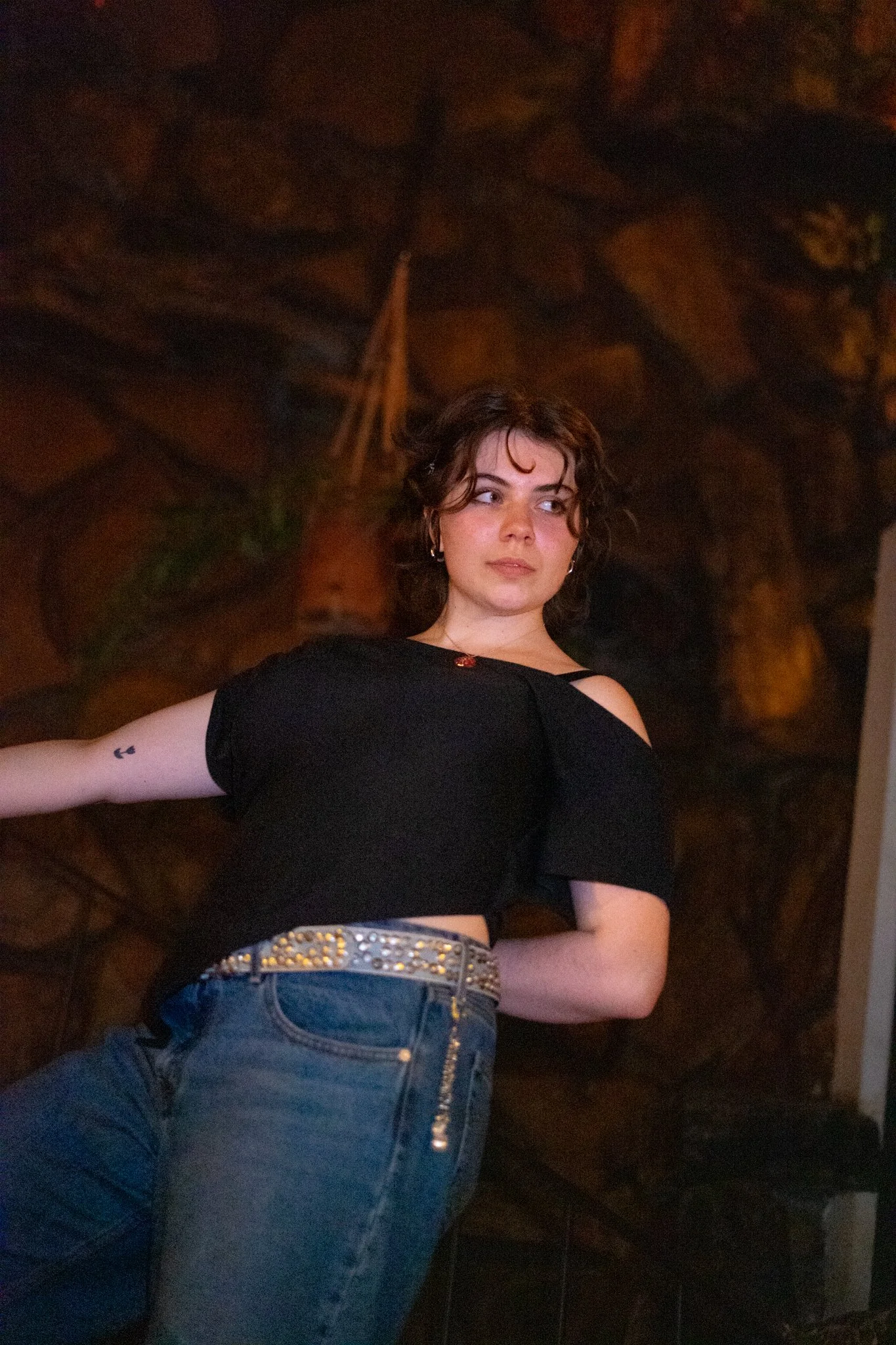
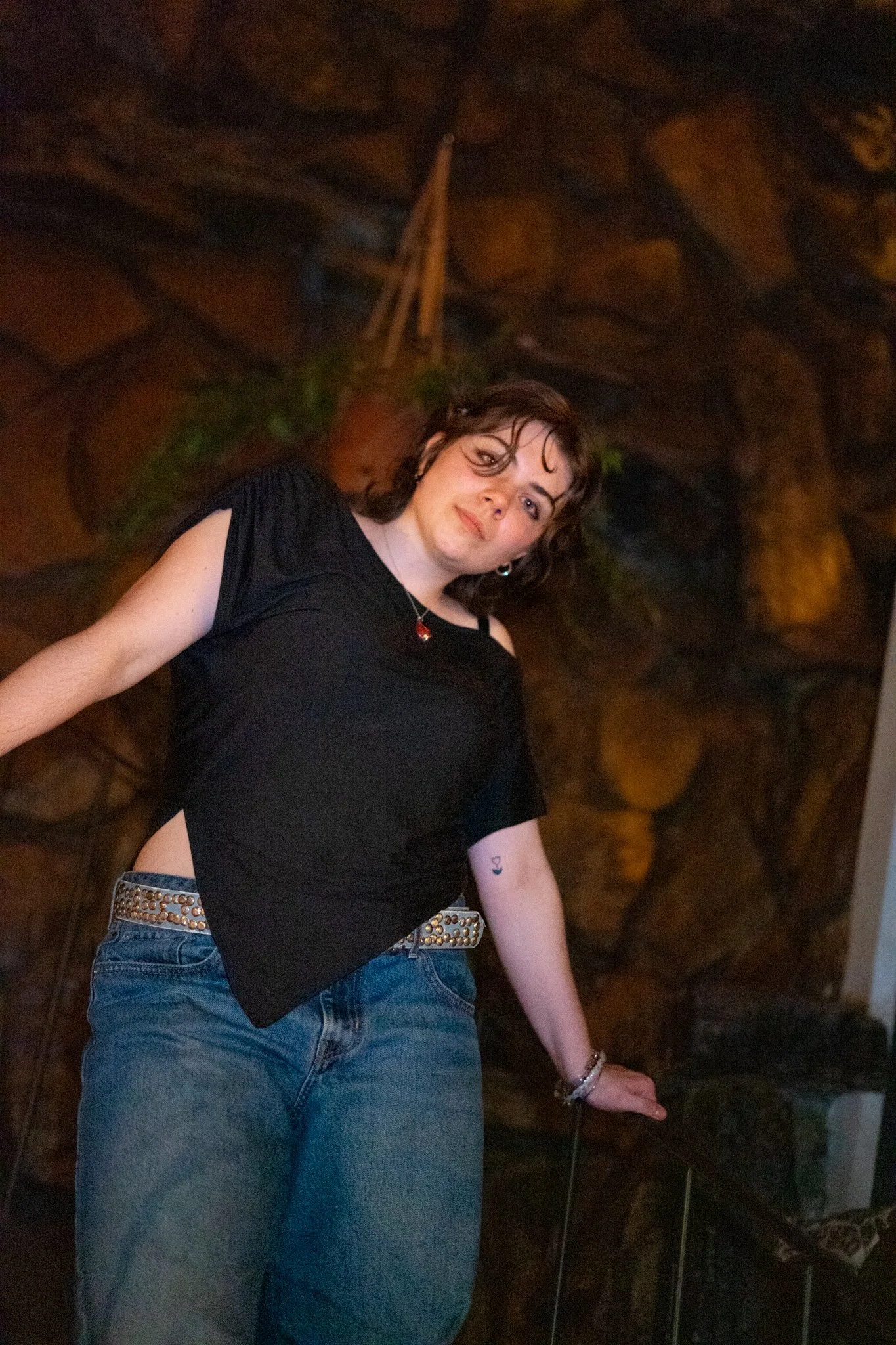
You can check out more photos from Claire’s set at Carriage House in New York below, and be sure to listen to Claire Martine’s latest singles wherever you get your music.